
Table of Contents
As an Amazon Associate, we earn from qualifying purchases. This means we may receive a small commission at no extra cost to you when you buy through links on this page.
Why Choose an Organic Cot Mattress?
As parents, we want the very best for our little ones, and that starts with a safe and healthy sleep environment. Conventional cot mattresses often contain synthetic materials, chemical flame retardants, and volatile organic compounds (VOCs) that can potentially disrupt a baby’s delicate system. Choosing an organic cot mattress is a proactive step towards minimising your baby’s exposure to these potentially harmful substances.
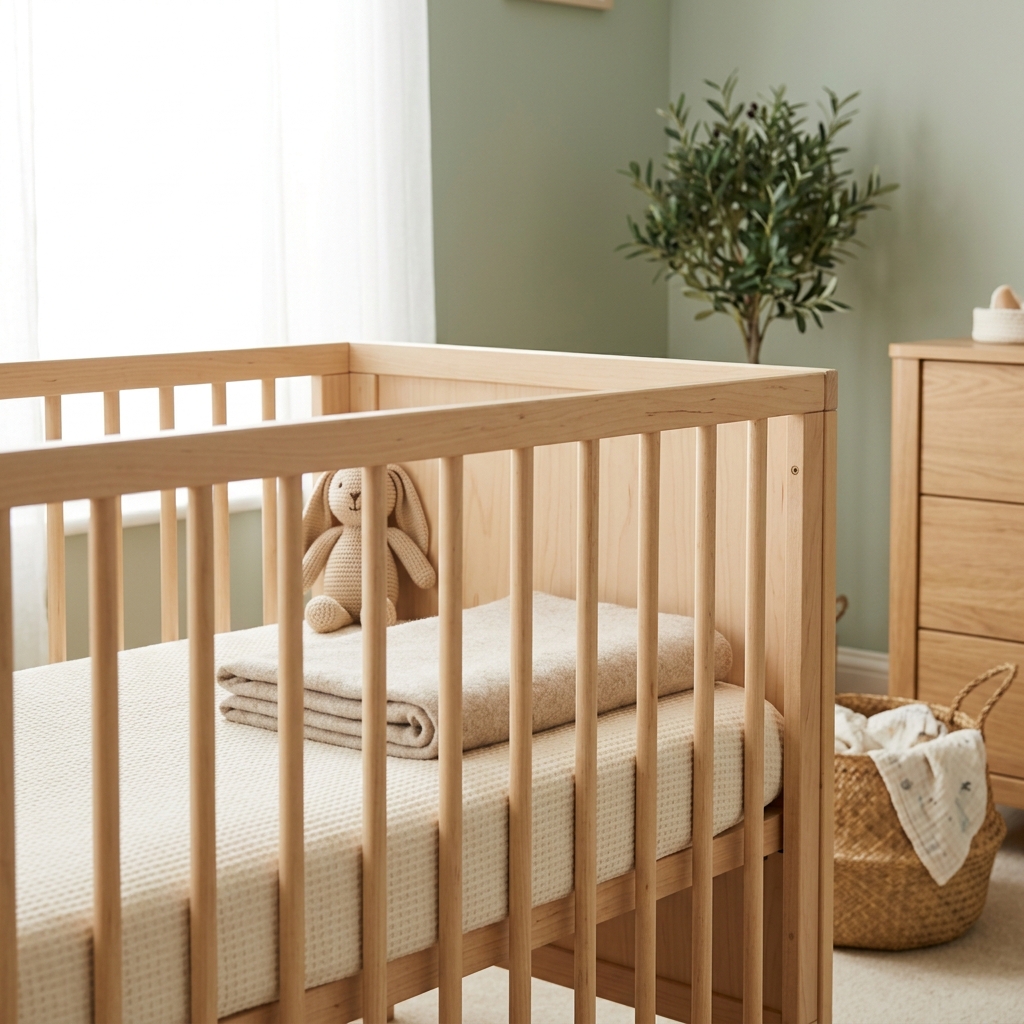
Benefits of Organic Cot Mattresses:
- Reduced Chemical Exposure: Organic mattresses are made with naturally derived materials, significantly reducing exposure to harmful chemicals like formaldehyde, pesticides, and phthalates.
- Hypoallergenic Properties: Natural materials like organic cotton, wool, and latex are naturally hypoallergenic, making them ideal for babies with sensitivities or allergies.
- Sustainability: Organic farming practices are environmentally friendly, promoting soil health and biodiversity.
- Better Breathability: Natural fibres allow for better airflow, helping to regulate your baby’s temperature and reduce the risk of overheating.
While conventional mattresses may be cheaper upfront, the long-term health and environmental benefits of an organic mattress often outweigh the cost.
What to Look for in an Organic Cot Mattress (2026)
The market for organic cot mattresses has evolved significantly. Here’s what to consider when making your choice in 2026:
Certifications
Look for these key certifications:
- GOTS (Global Organic Textile Standard): Ensures the organic status of textiles, from harvesting of the raw materials, through environmentally and socially responsible manufacturing, up to labelling. This is crucial for the cotton cover.
- OEKO-TEX Standard 100: Tests for harmful substances in textiles, providing reassurance that the mattress meets strict safety standards.
- Soil Association: (For wool) Confirms the wool is sourced from organically reared sheep.
- Latex Certifications (GOLS): Global Organic Latex Standard, verifies the organic status of the latex used in the core.
2026 Update: The UK has seen stricter enforcement of certification standards. Ensure certifications are current and verifiable on the official certification websites.
Core Materials
- Natural Latex: Durable, supportive, and naturally hypoallergenic. Look for Dunlop latex, a more eco-friendly production method.
- Wool: Excellent temperature regulation, naturally fire-resistant (often eliminating the need for chemical flame retardants), and moisture-wicking.
- Coconut Fibre: Provides firm support and good airflow. Often used as a base layer.
Cover Materials
Opt for 100% organic cotton covers. Ensure they are removable and washable for easy cleaning.
Firmness
A firm mattress is crucial for safe infant sleep, reducing the risk of SIDS. The mattress should offer good support without being overly soft. Look for mattresses specifically designed to meet the latest UK safety standards for firmness.
Size
The standard UK cot bed size is 70cm x 140cm. Check that the mattress fits snugly within the cot bed, with no gaps.
Breathability
Good airflow is essential to prevent overheating. Materials like natural latex, wool, and coconut fibre promote breathability.
Top 5 Organic Cot Mattresses UK – Our Picks for 2026
1. Naturalmat Organic Cot Mattress – £229
Pros: Made in Devon, UK, using 100% natural materials (wool, cotton, and coir). GOTS and OEKO-TEX certified. Excellent breathability and temperature regulation. Supports British manufacturing.
Cons: Pricey. Can be quite firm for some babies.
Materials: Organic cotton cover, wool batting, natural latex, coir fibre.
Firmness: Firm (8/10).
Price: £229
Ideal for: Newborn to toddler (0-2 years).
2. Woolroom Organic Cot Mattress – £249
Pros: Excellent temperature regulation thanks to the high wool content. Naturally fire-resistant, eliminating the need for chemical treatments. Hypoallergenic and breathable.
Cons: May not be as supportive as latex-based mattresses. Wool can sometimes be prone to compression over time.
Materials: Organic cotton cover, British wool core.
Firmness: Medium-Firm (7/10).
Price: £249
Ideal for: Babies who overheat easily, all ages.
3. Little Green Sheep Organic Cotton Mattress – £199
Pros: More affordable option. GOTS certified organic cotton cover. Springless design for a consistent level of support.
Cons: Less durable than latex or wool mattresses. May not be suitable for heavier babies.
Materials: Organic cotton cover, recycled polyester fibre core.
Firmness: Medium (6/10).
Price: £199
Ideal for: Newborn to 1 year.
4. Cuddledry Organic Baby Mattress – £279
Pros: Premium quality materials. Features a waterproof layer made from organic cotton – a fantastic addition for accident prone babies. Breathable and hypoallergenic.
Cons: The most expensive option on this list.
Materials: Organic cotton cover, natural latex core, organic cotton waterproof layer.
Firmness: Firm (8/10).
Price: £279
Ideal for: Newborn to toddler (0-2 years).
5. Coco & Bloom Organic Coconut Fibre Mattress – £179
Pros: Very affordable. Excellent airflow due to the coconut fibre core. Firm and supportive.
Cons: Coconut fibre can be less comfortable than latex. May not be as durable as other options.
Materials: Organic cotton cover, coconut fibre core.
Firmness: Very Firm (9/10).
Price: £179
Ideal for: Babies needing firm support, all ages.
Comparing the Top Contenders: Feature Breakdown
| Mattress | Price (£) | Core Material | Certifications | Firmness (1-10) | Size (cm) | Weight (kg) |
|---|---|---|---|---|---|---|
| Naturalmat | 229 | Latex, Wool, Coir | GOTS, OEKO-TEX | 8 | 70×140 | 7 |
| Woolroom | 249 | Wool | GOTS, Soil Association | 7 | 70×140 | 6 |
| Little Green Sheep | 199 | Recycled Polyester | GOTS | 6 | 70×140 | 4 |
| Cuddledry | 279 | Latex | GOTS, OEKO-TEX | 8 | 70×140 | 8 |
| Coco & Bloom | 179 | Coconut Fibre | GOTS | 9 | 70×140 | 5 |
Organic Cot Mattress Care & Maintenance
Proper care will extend the life of your organic cot mattress and ensure a hygienic sleep environment for your baby.
- Cleaning: Spot clean stains with a mild, organic detergent and water. Avoid harsh chemicals.
- Mattress Protector: Always use a waterproof, breathable mattress protector to prevent staining and moisture build-up. Choose an organic cotton protector.
- Rotation: Rotate the mattress head-to-toe every few months to promote even wear.
- Airing: Regularly air the mattress by removing bedding and allowing it to breathe for a few hours.
- Vacuuming: Vacuum the mattress surface with a soft brush attachment to remove dust and debris.
FAQ
Q: Are organic cot mattresses really worth the extra cost?
A: For many parents, the health and environmental benefits are worth the investment. Reducing exposure to harmful chemicals and supporting sustainable practices are significant advantages.
Q: How often should I replace a cot mattress?
A: Experts recommend replacing a cot mattress after 5-7 years, or sooner if it shows signs of significant wear and tear. Even with good care, the support can degrade over time.
Q: What does ‘firmness’ mean when it comes to cot mattresses?
A: Firmness refers to how much the mattress resists compression. A firmer mattress provides better support for a baby and reduces the risk of suffocation. UK safety standards require cot mattresses to be firm.
Q: Can I wash an organic cot mattress?
A: Generally, no. Most organic cot mattresses should *not* be fully submerged in water. Spot cleaning with a mild detergent is recommended. Always check the manufacturer’s care instructions.
Q: What’s the best way to dispose of an old cot mattress?
A: Check with your local council for recycling options. Some companies specialise in mattress recycling, breaking down the materials for reuse.