
Table of Contents
As an Amazon Associate, we earn from qualifying purchases. This means we may receive a small commission at no extra cost to you when you buy through links on this page.
Introduction: Understanding the Terminology
The terms “pushchair” and “buggy” are often used interchangeably in the UK, leading to a lot of confusion for expectant and new parents. Historically, a ‘pushchair’ referred to a more robust, often larger vehicle designed for younger babies, sometimes including a carrycot for newborns. A ‘buggy’ was typically lighter and intended for older babies and toddlers already able to sit up. However, modern usage varies regionally – some areas favour ‘buggy’ as a general term, while others maintain the distinction. This guide will dissect the differences in 2026, helping you make an informed decision for your family, taking into account the latest innovations and UK lifestyles.
What is a Pushchair?
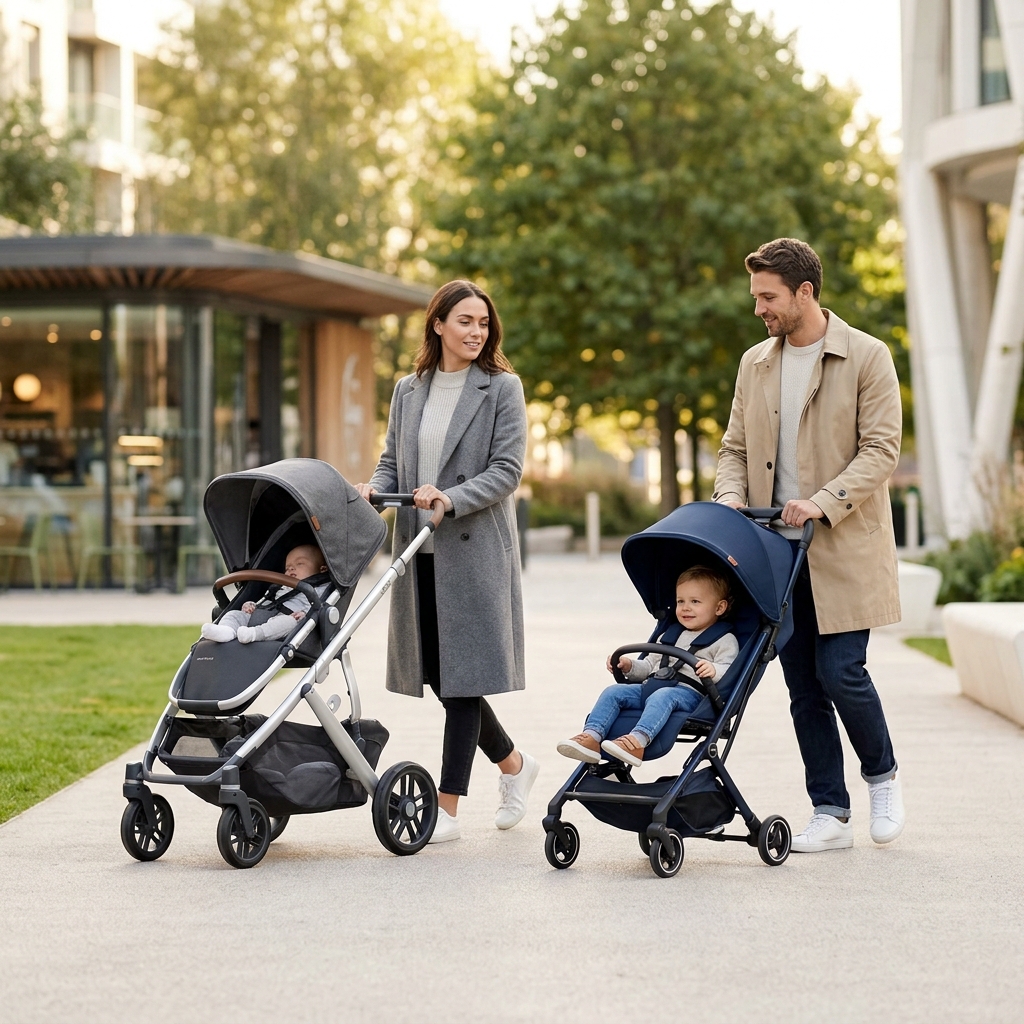
A pushchair, in 2026, generally refers to a wheeled vehicle designed to transport babies and young children. Key characteristics include a more substantial frame, often with full suspension for a smoother ride, and a higher degree of adaptability. Many pushchairs are suitable from birth, either with a lie-flat seat option or a compatible carrycot. They’re typically larger and heavier than buggies, offering increased comfort and durability.
Types of Pushchairs:
- Standard Pushchairs: Versatile and suitable for everyday use.
- All-Terrain Pushchairs: Featuring larger wheels and robust suspension, ideal for navigating uneven surfaces – essential for many UK countryside locations. The UPPAbaby Vista V2 (£1100) is a popular choice.
- Travel Systems: Combining a pushchair chassis with a car seat and often a carrycot, offering seamless transitions from car to pavement. The Silver Cross Wave 2026 (£1200) is a prime example.
What is a Buggy?
A buggy, on the other hand, prioritises portability and convenience. They are typically lighter in weight and fold more compactly than pushchairs, making them ideal for travel and storage. Buggies are often designed for older babies and toddlers who have developed the strength to sit up unaided. While they may not offer the same level of comfort or features as a pushchair, they excel in manoeuvrability and ease of use.
Types of Buggies:
- Umbrella Fold Buggies: Characterised by their compact, umbrella-like fold.
- Lightweight Buggies: Extremely portable, perfect for holidays and public transport. The Joie Pact 3 (£250) is a leading option.
- Jogging Buggies: Designed for active parents, with three wheels and enhanced suspension for running or brisk walking.
Key Differences: Pushchair vs Buggy – A Side-by-Side Comparison
| Feature | Pushchair | Buggy |
|---|---|---|
| Weight | Typically 8kg – 15kg+ | Typically 5kg – 10kg |
| Size (Folded) | Larger, bulkier | More compact |
| Age Suitability | Birth (with carrycot/lie-flat) – Toddler | 6 months+ (generally, when sitting unaided) |
| Terrain | All terrains, including uneven surfaces | Primarily paved surfaces |
| Suspension | Full or substantial suspension | Limited or no suspension |
| Recline | Multiple recline positions, often lie-flat | Limited recline positions |
| Storage | Large shopping basket, often with additional pockets | Smaller shopping basket |
| Price (2026) | £500 – £1500+ | £150 – £900+ |
Pushchair Advantages & Disadvantages (UK context)
Pros:
- Comfort for Baby: Superior suspension and padding provide a more comfortable ride, particularly on longer journeys.
- All-Terrain Capabilities: Essential for navigating the varied landscapes of the UK, from city pavements to country trails.
- Suitability from Birth: Many models can be used from birth with a carrycot or lie-flat seat.
- Potentially Longer Lifespan: Higher build quality often translates to a longer usable lifespan.
Cons:
- Bulkier and Heavier: Can be challenging to manoeuvre in crowded spaces and transport.
- More Expensive: Generally a higher upfront investment.
- Storage: Requires more storage space at home and when travelling.
Buggy Advantages & Disadvantages (UK context)
Pros:
- Lightweight and Compact: Easy to carry, store, and transport on public transport – a significant benefit in UK cities.
- More Affordable: A budget-friendly option for many families.
- Easy to Manoeuvre: Nimble and easy to navigate through shops and busy streets.
Cons:
- Less Comfortable: Limited suspension and padding can make longer journeys less comfortable for the baby.
- May Not Be Suitable From Birth: Typically requires the baby to be able to sit up unaided.
- Limited Storage: Smaller shopping baskets offer less space for essentials.
- Less Robust: May struggle on uneven terrain.
UK Parent Lifestyles: Which Suits You Best?
- City Dwellers: A lightweight buggy, like the Bugaboo Bee 6 (£850) or Joie Pact 3 (£250), is often the best choice due to the need for portability on public transport and navigating narrow pavements.
- Rural Families: An all-terrain pushchair, such as the UPPAbaby Vista V2 (£1100), is ideal for handling uneven ground and country walks.
- Frequent Travellers: A lightweight buggy that folds compactly is essential for air travel and easy transportation.
- Active Parents: A jogging buggy is perfect for maintaining an active lifestyle with your little one.
- Families needing versatility: A travel system, like the Silver Cross Wave 2026 (£1200), provides a solution from birth through toddlerhood.
Pushchair & Buggy Features to Look for in 2026
In 2026, expect to see continued innovation in pushchair and buggy technology. Key features to consider include:
- Smart Features: Integrated sensors monitoring temperature and movement, app connectivity for tracking usage and receiving alerts.
- Sustainable Materials: Increased use of recycled fabrics and eco-friendly manufacturing processes.
- Improved Folding Mechanisms: Even more compact and user-friendly folding systems.
- Advanced Safety Features: Enhanced braking systems, improved harness designs, and integrated visibility features.
- Adaptable Seat Units: Seats that can easily convert between forward-facing and parent-facing positions, and adjust in height.
Budget Breakdown: Pushchair & Buggy Price Ranges (2026 UK)
- Entry-Level Buggies: £150 – £300 (e.g., basic umbrella fold buggies)
- Mid-Range Buggies: £300 – £600 (e.g., lightweight buggies with some features)
- Premium Buggies: £600 – £900+ (e.g., Bugaboo Bee 6)
- Entry-Level Pushchairs: £400 – £600 (e.g., standard pushchairs with basic features)
- Mid-Range Pushchairs: £600 – £1000 (e.g., all-terrain pushchairs with good suspension)
- Premium Pushchairs/Travel Systems: £1000 – £1500+ (e.g., Silver Cross Wave, UPPAbaby Vista)
Frequently Asked Questions (FAQs)
Q: What safety standards should I look for?
A: All pushchairs and buggies sold in the UK must meet the BS EN 1888 standard. Look for the British Standards Institution kitemark for assurance.
Q: How do I clean and maintain my pushchair/buggy?
A: Regular cleaning with a damp cloth and mild detergent is recommended. Check the manufacturer’s instructions for specific cleaning guidelines for fabrics and frames. Lubricate moving parts periodically to ensure smooth operation.
Q: Is it safe to buy a used pushchair/buggy?
A: Yes, but exercise caution. Inspect the pushchair/buggy thoroughly for any damage or wear and tear. Ensure all safety features, such as brakes and harnesses, are functioning correctly. Check the manufacturing date to ensure it meets current safety standards. Avoid models with missing or damaged parts.
Q: What is the weight limit for most pushchairs and buggies?
A: Most pushchairs and buggies have a weight limit of around 15-20kg. Always check the manufacturer’s specifications for the precise limit.
Q: How important is suspension?
A: Suspension is very important, especially in the UK with our varied terrain. Good suspension provides a smoother, more comfortable ride for your baby and helps protect them from bumps and jolts.
Conclusion: Making the Right Choice for Your Family
Ultimately, the best choice between a pushchair and a buggy depends on your individual lifestyle and needs. If you prioritize comfort, all-terrain capabilities, and suitability from birth, a pushchair is the way to go. If you value portability, affordability, and convenience, a buggy is a great option. Carefully consider your daily routines, travel habits, and the type of terrain you’ll be navigating to make the most informed decision for you and your little one. The iCandy Peach 7 (£950) offers a good balance of features for those desiring a more premium experience.