
Table of Contents
As an Amazon Associate, we earn from qualifying purchases. This means we may receive a small commission at no extra cost to you when you buy through links on this page.
Introduction: Creating a Calming Nursery Space
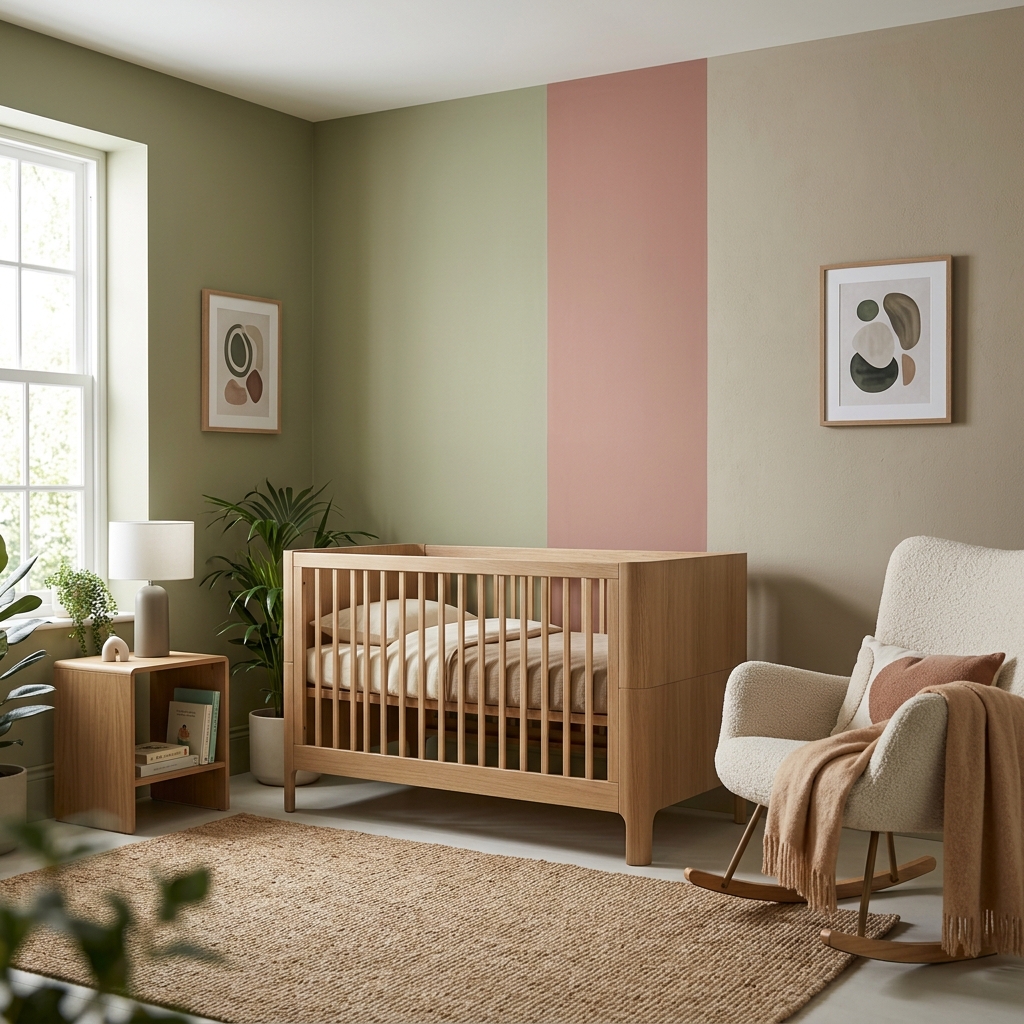
The nursery is more than just a room; it’s the first environment your baby truly experiences, shaping their early development and sense of security. Colour plays a pivotal role in this, influencing mood, stimulating senses, and promoting restful sleep. In the UK, there’s a growing demand for nurseries that balance calming aesthetics with subtle stimulation, moving away from overly-themed rooms towards more sophisticated and nurturing spaces. For 2026, we’re seeing a significant shift towards biophilic design, incorporating natural tones and textures, alongside a resurgence of muted pastels and strategically placed bold accents. This article will guide you through the best nursery paint colours in the UK for 2026, offering inspiration and practical advice to create your dream nursery.
Understanding Colour Psychology for Nurseries
Choosing the right colours isn’t just about aesthetics; it’s about understanding how colours affect a baby’s developing brain. Here’s a breakdown of common colours and their psychological effects:
- Blue: Often associated with calmness and serenity, blue can promote restful sleep. However, overly dark blues can feel cold, so opt for softer shades.
- Green: Linked to nature and growth, green is a soothing and balanced colour. It’s believed to foster a sense of well-being and can be particularly beneficial for babies prone to overstimulation.
- Yellow: A cheerful and optimistic colour, yellow stimulates mental activity. Use it sparingly as too much yellow can be overwhelming.
- Grey: A versatile neutral, grey provides a sophisticated backdrop and allows for flexibility with accent colours. Warm greys are generally more inviting than cool, stark greys.
- Pink: Traditionally associated with femininity, pink is a gentle and nurturing colour. Dusty rose shades are particularly popular for creating a calming atmosphere.
- Purple: Often linked to creativity and imagination, lavender and lilac shades can be soothing and create a dreamy ambiance.
It’s important to remember that newborns have limited colour perception, gradually developing the ability to distinguish colours over the first few months. Therefore, focus on creating a balance between gentle stimulation and a relaxing environment. Age-appropriate colour choices will evolve as your child grows.
Top Nursery Paint Colour Trends UK 2026
Here’s a look at the most popular nursery paint colour trends for 2026:
- Earth Tones: Sage greens, terracotta, warm beiges, and ochre yellows are dominating nursery designs, reflecting a desire for connection with nature and creating a grounding atmosphere.
- Muted Pastels: Soft, desaturated shades of blue, pink, green, and lavender offer a calming and sophisticated alternative to traditional bright pastels.
- Bold Accents: Mustard yellow, deep teal, and burnt orange are being used as accent colours to add personality and visual interest, often paired with neutral backdrops.
- Warm Neutrals with Pink undertones: Combining greys and whites with subtle hints of blush pink is a growing trend, creating a sophisticated and calming atmosphere.
Neutral Nursery Paint Colours: Timeless & Versatile
Neutral colours offer a timeless and versatile base for any nursery. They allow you to easily adapt the room as your child grows and are a great choice if you’re unsure of gender.
Popular Neutral Shades:
- Greys: Warm greys like ‘Wickes Colourworld Matt Emulsion – Grey’ (£18.0) are incredibly popular.
- Beiges: Soft, sandy beiges create a warm and inviting atmosphere.
- Creams: Classic creams offer a comforting and gentle feel.
- Whites: Crisp whites provide a clean and airy backdrop.
Pairing neutrals with accent colours is key. For example, a grey nursery looks stunning with pops of mustard yellow or blush pink. The longevity and ease of redecorating are significant benefits of choosing neutral paints.
Pastel Nursery Paint Colours: Soft & Soothing
Pastel shades are perfect for creating a calming and dreamy nursery atmosphere. They’re gentle on the eyes and promote relaxation.
Popular Pastel Shades:
- Baby Blue: ‘Farrow & Ball Modern Emulsion – Pale Blue’ (£55.0) offers a sophisticated take on classic baby blue.
- Mint Green: ‘Little Greene Intelligent Matt Emulsion – Sage Green’ (£48.0) is a refreshing and calming choice.
- Blush Pink: A delicate and nurturing shade.
- Lavender: ‘EcoColour Ahoy Water Based Paint – Lavender’ (£35.0) creates a peaceful and serene environment.
Gender-neutral pastel schemes are easily achievable by combining soft greens, greys, and yellows. Avoid overly bright or saturated pastels, as they can be stimulating rather than soothing.
Bold & Playful Nursery Paint Colours: Adding Personality
Don’t shy away from bolder colours! They can add personality and create a stimulating environment. However, it’s crucial to use them strategically.
Consider using a bold colour like mustard yellow or terracotta as an accent wall or to paint specific design features, such as a geometric pattern or a mural. Balance bold colours with softer tones to prevent overwhelming the space. For example, a navy blue accent wall paired with crisp white walls and natural wood furniture can create a stylish and balanced look.
Paint Finishes: Choosing the Right Sheen
The paint finish affects the overall look and practicality of the nursery.
- Matte: Offers a flat, non-reflective finish. It’s ideal for hiding imperfections but less durable and harder to clean.
- Eggshell: A slight sheen that’s more durable and washable than matte. A popular choice for nurseries.
- Satin: Offers a more noticeable sheen and is very durable and easy to clean. Suitable for areas prone to spills and messes.
- Gloss: Highly reflective and extremely durable, but can highlight imperfections. Best used for trim and doors.
For nurseries, prioritize durability and washability. Eggshell or satin finishes are generally the best choices. Also, consider low-VOC (Volatile Organic Compounds) and eco-friendly paint options to ensure a healthy environment for your baby.
Preparing Your Nursery for Painting: A Step-by-Step Guide
- Surface Preparation: Clean the walls thoroughly to remove dust, dirt, and grease. Fill any holes or cracks with filler and sand smooth.
- Furniture Protection: Cover all furniture with dust sheets or plastic sheeting.
- Floor Protection: Protect the floor with drop cloths.
- Ventilation: Ensure adequate ventilation by opening windows and doors.
- Safety Precautions: Wear a mask and gloves during painting. Keep children and pets away from the painting area.
Nursery Paint Colour Combinations: Inspiration & Ideas
Here are a few inspiring nursery paint colour combinations:
- Grey & Yellow: A sophisticated and cheerful combination.
- Mint Green & Peach: A calming and harmonious pairing.
- Navy Blue & White: A classic and stylish combination.
- Warm Beige & Blush Pink: A nurturing and inviting combination.
- Sage Green & Terracotta: A nature-inspired and grounding combination.
Where to Buy Nursery Paint in the UK (2026)
Here are some popular UK retailers selling nursery paint:
- Dulux: https://www.dulux.co.uk/
- Farrow & Ball: https://www.farrow-ball.com/
- Little Greene: https://www.littlegreene.com/
- B&Q: https://www.diy.com/
- Wickes: https://www.wickes.co.uk/
Conclusion: Creating Your Dream Nursery
Choosing the right nursery paint colours is a crucial step in creating a nurturing and stimulating environment for your baby. Consider the psychological effects of different colours, stay up-to-date with the latest trends, and prioritize durability and safety. Ultimately, the best colours are those that reflect your personal style and create a space where you and your baby will feel happy and comfortable. Don’t be afraid to experiment with colour combinations and create a nursery that is truly unique and special.