
Table of Contents
As an Amazon Associate, we earn from qualifying purchases. This means we may receive a small commission at no extra cost to you when you buy through links on this page.
Why You Need a Pushchair Rain Cover
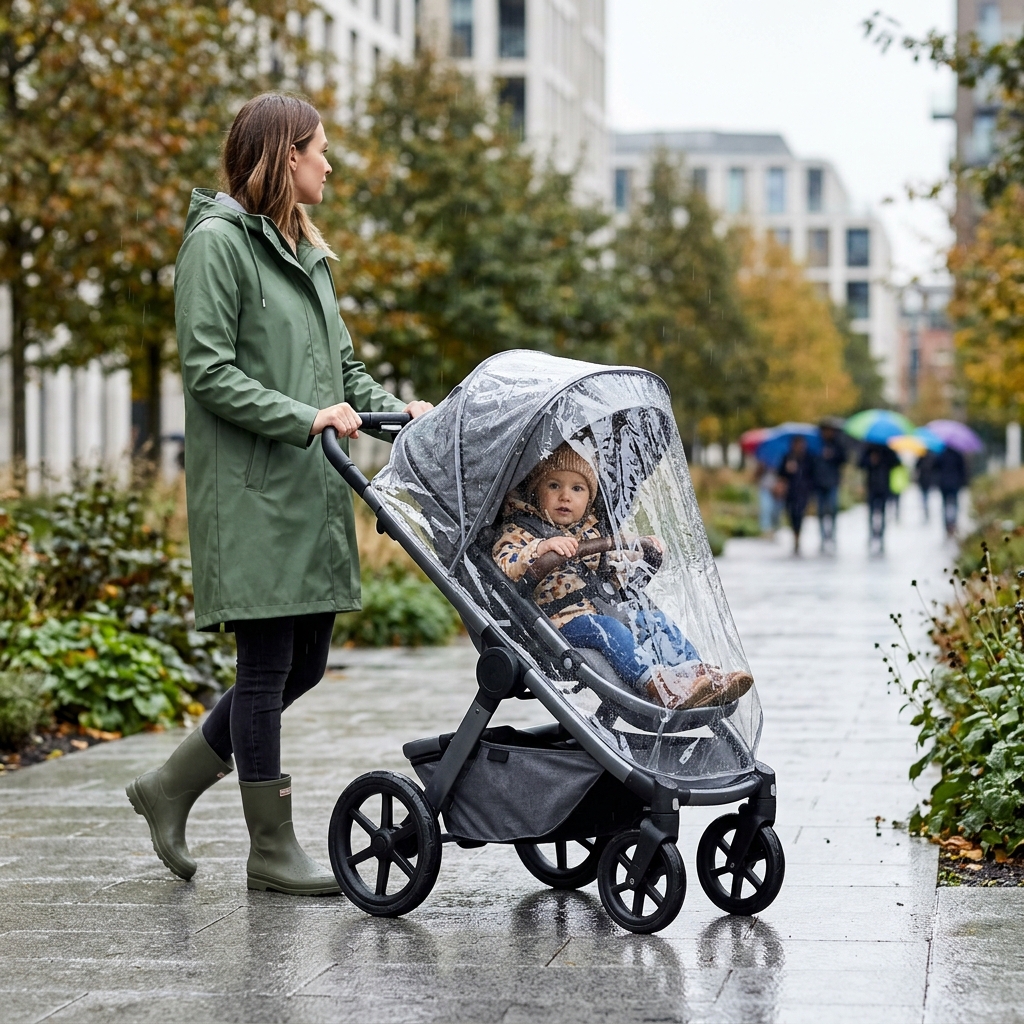
The Great British weather is notoriously unpredictable! A pushchair rain cover isn’t just about keeping your little one dry during a shower; it’s about safeguarding their health and ensuring their comfort. Exposure to rain and wind can quickly lead to chills, especially for babies and young children whose immune systems are still developing. A quality rain cover provides a protective barrier against the elements, preventing discomfort and potential illness. Beyond rain, they also offer protection against strong winds and even light snow. Keeping your child warm and dry allows them to enjoy their time out and about, regardless of the weather. Invest in a good rain cover and worry less about the forecast.
Types of Pushchair Rain Covers
The market offers a variety of pushchair rain covers, each with its own strengths and weaknesses. Here’s a breakdown:
Universal Fit Rain Covers
These are designed to fit a wide range of pushchair models. They typically attach with straps and Velcro fastenings.
- Pros: Affordable, readily available, versatile.
- Cons: May not be a perfect fit for all pushchairs, potentially less secure in strong winds.
Specific to Pushchair Brand/Model
Created by the pushchair manufacturer for a precise fit. Generally offer a more streamlined appearance and superior protection.
- Pros: Perfect fit, secure, often made with high-quality materials.
- Cons: More expensive, only compatible with specific models.
Extendable Rain Covers
These covers feature extra material that can be extended to provide additional coverage, particularly useful for larger pushchairs or when facing inclement weather.
- Pros: Increased coverage, adaptable to different weather conditions.
- Cons: Can be bulkier to store, potentially more complex to fit.
Covers with Ventilation
Crucially important to prevent condensation build-up inside the cover, which can lead to dampness and discomfort. Often feature mesh panels or vents.
- Pros: Prevents overheating and condensation, improved airflow.
- Cons: May allow some spray to enter during heavy rain.
Key Features to Consider in 2026
Pushchair rain cover technology has improved over the years. Here’s what to look for in 2026:
PVC vs. TPU Material
PVC (Polyvinyl Chloride) is the traditional material, affordable but can become brittle in cold weather and less durable overall. TPU (Thermoplastic Polyurethane) is a more modern alternative – it’s much more durable, flexible in all temperatures, and often offers better visibility due to its clearer finish. TPU covers typically cost more, but offer better value over the long term.
Ventilation Systems
Anti-condensation ventilation is a must-have. Look for covers with strategically placed mesh panels or vents to allow air circulation and prevent moisture build-up.
UV Protection
Some covers offer UV protection, shielding your baby from harmful sun rays even on cloudy days. This is a valuable feature for year-round use.
Viewing Windows
Clear viewing windows allow you to easily check on your baby without lifting the cover.
Ease of Fitting and Removal
Choose a cover that’s easy to attach and detach, even with one hand. Straps, Velcro fastenings, and elasticated edges all contribute to ease of use.
Compatibility with Accessories
Ensure the rain cover doesn’t interfere with the use of accessories like footmuffs or shopping baskets.
Understanding Rain Cover Compatibility
Determining the right fit is critical. Consider these factors:
- Single Pushchairs: Most universal covers will fit, but check the dimensions to ensure adequate coverage.
- Double Pushchairs: Require larger, specifically designed covers. Universal covers are unlikely to provide sufficient protection.
- Travel Systems: Compatibility varies. Check the manufacturer’s guidelines or measure your pushchair’s frame dimensions.
- Dimensions: Measure the length, width, and height of your pushchair’s seat unit to ensure the rain cover will fit properly.
Top Pushchair Rain Covers of 2026 (UK Market)
Here’s a comparison of some of the leading rain covers available in the UK:
| Product Name | Price (GBP) | Type | Material | Pros | Cons |
|---|---|---|---|---|---|
| Britax Universal Raincover | 29.99 | Universal Fit | PVC | Affordable, easy to fit. | PVC can become brittle in cold weather. |
| Cosatto Woosh Raincover | 34.95 | Specific to Model | TPU | Excellent fit for Cosatto Woosh, durable TPU. | Only compatible with Cosatto Woosh pushchairs. |
| Bugaboo Fox 3 Rain Cover | 69.95 | Specific to Model | TPU | Perfect fit, high-quality TPU, excellent ventilation. | Expensive. |
| Mothercare Universal Raincover | 19.99 | Universal Fit | PVC | Very affordable, widely available. | Basic design, less durable than TPU options. |
| JJ Cole Raincover (Extendable) | 45.0 | Extendable | TPU | Great coverage, extendable for larger pushchairs, TPU. | Can be bulky to store. |
| Red Kite Universal Raincover | 15.5 | Universal Fit | PVC | Extremely affordable, lightweight. | Basic features, limited durability. |
| iCandy Peach 7 Raincover | 55.0 | Specific to Model | TPU | Perfect fit for iCandy Peach 7, durable, good ventilation. | Higher price point. |
How to Fit and Maintain Your Rain Cover
Fitting: Most rain covers attach using straps and Velcro. Ensure the cover is securely fastened to prevent it from blowing off in the wind. Refer to the manufacturer’s instructions for specific fitting guidance. (See Example Video Tutorial for a demonstration).
Cleaning: Wipe down the rain cover with a damp cloth and mild detergent. Avoid harsh chemicals or abrasive cleaners. Ensure the cover is completely dry before storing.
Storage: Store the rain cover in a cool, dry place away from direct sunlight.
Rain Cover Safety Tips
Prioritise your child’s safety:
- Ventilation: Always ensure adequate ventilation to prevent overheating and condensation build-up.
- Visibility: Avoid covers that obstruct your view of your baby.
- Secure Fit: Ensure the cover is securely fastened to prevent it from slipping or blowing off.
- Regular Checks: Regularly inspect the rain cover for tears or damage.
Frequently Asked Questions (FAQs)
Q: Can I use a rain cover in hot weather?
While designed for rain, a rain cover *can* be used in hot weather, but only if it has adequate ventilation. Without ventilation, it can quickly become stuffy and uncomfortable for your baby. Prioritise airflow and avoid prolonged use in extreme heat.
Q: How often should I replace my rain cover?
The lifespan of a rain cover depends on usage and material. PVC covers typically need replacing more frequently (every 1-2 years) than TPU covers (potentially 3-5 years). Replace it if it becomes damaged, brittle, or loses its waterproof properties.
Q: Will a universal rain cover fit my pushchair?
Most universal rain covers are designed to be adaptable, but it’s essential to check the dimensions and compatibility with your specific pushchair model. Measure your pushchair and compare it to the cover’s specifications.
Q: How do I prevent condensation inside the rain cover?
Choose a rain cover with ventilation features like mesh panels or vents. Ensure these vents are not blocked. Also, avoid completely sealing the cover – a small gap for airflow can make a big difference.
Q: Can I wash a rain cover in a washing machine?
Generally, no. Washing machines can damage the material and seams. Hand washing with mild detergent and a damp cloth is recommended. Always check the manufacturer’s care instructions.