
Ensuring your child’s safety in the car is paramount. Isofix, the international standard for child car seat fitting, offers a secure and straightforward alternative to traditional seatbelt installation. However, simply having Isofix anchor points doesn’t guarantee compatibility with every car seat base. This comprehensive guide will walk you through everything you need to know about Isofix compatibility in the UK, helping you make the right choices for your family in 2026.
As an Amazon Associate, we earn from qualifying purchases. This means we may receive a small commission at no extra cost to you when you buy through links on this page.
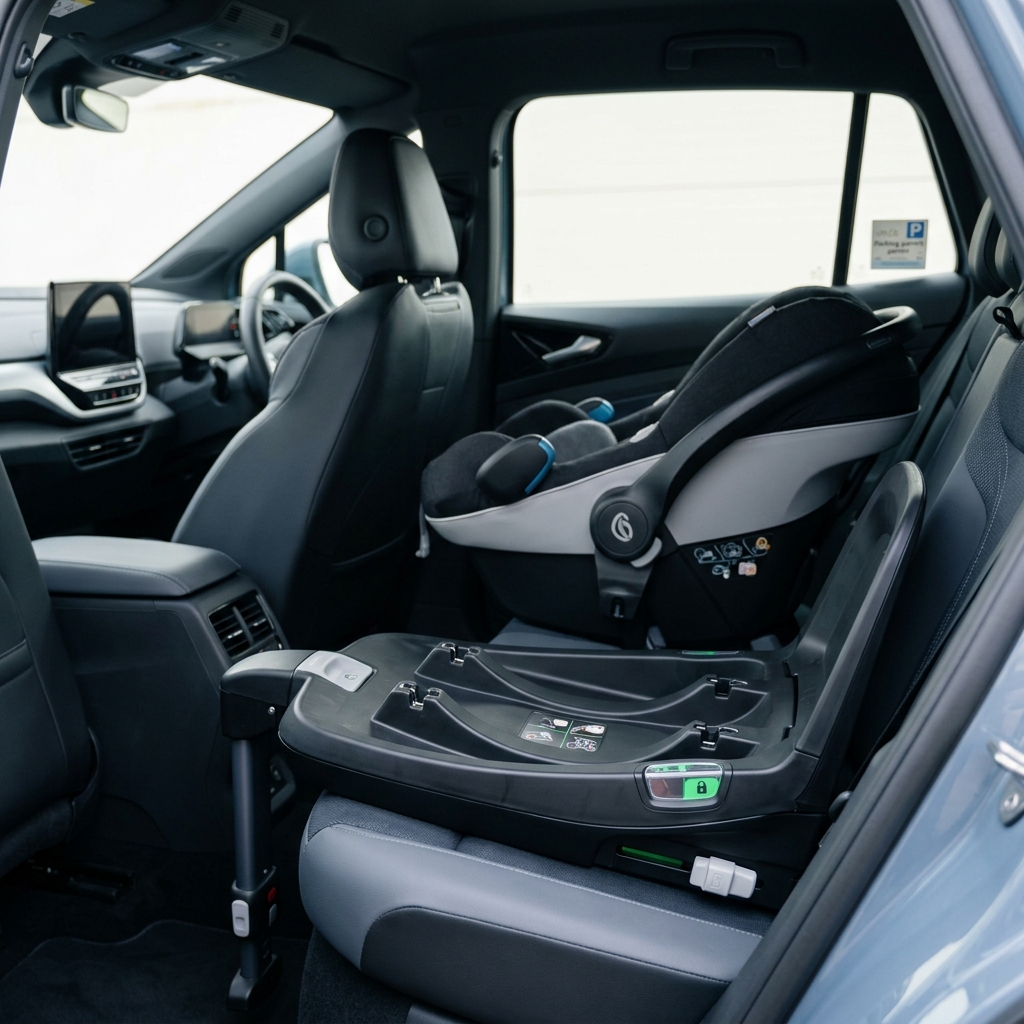
Table of Contents
What is Isofix & Why Does Compatibility Matter?
Isofix is a standardised hard connection system that attaches a child car seat directly to the vehicle’s chassis. Rather than relying on the car’s seatbelts, Isofix uses dedicated anchor points built into the car seat and vehicle. This method significantly reduces the risk of incorrect installation, a common concern with seatbelt-fitted seats. Key benefits include increased safety, ease of installation, and greater stability.
Compatibility is crucial because not all cars and all Isofix bases are created equal. Vehicle manufacturers design their cars to work with specific Isofix seat systems. Using an incompatible base can compromise the seat’s safety performance. With the increasing adoption of R129 (i-Size) regulations, understanding compatibility is more important than ever. R129 prioritises rearward facing travel for longer and uses a more detailed testing process.
Understanding Isofix Compatibility Categories
Isofix compatibility falls into three main categories:
- Universal: These bases are designed to fit a wide range of vehicles with Isofix anchor points. They are generally the most adaptable, but still require checking vehicle compatibility lists.
- Specific: These bases are designed for use in specific vehicle models or ranges. They offer a more secure fit but have limited compatibility.
- Base-Specific: This refers to situations where a particular car seat *must* be used with a specific base. This is common with infant carriers and rotating seats, designed for optimal safety features.
Identifying your car and base’s category is the first step. Your car’s handbook will state whether it has Universal, Specific, or no specified Isofix compatibility. The car seat base packaging and instruction manual will clearly indicate its compatibility category.
How to Check Isofix Compatibility: A Step-by-Step Guide (UK)
The most reliable way to check Isofix compatibility is by consulting the vehicle manufacturer’s compatibility list. Here’s how:
- Consult Your Vehicle Handbook: This is the primary source of information. It will list compatible child car seats and bases.
- Visit the Car Manufacturer’s Website: Most manufacturers provide online compatibility checkers or downloadable lists. Here are some links to major UK brands:
- Contact Your Car Dealership: If you’re unsure, your local dealership can provide definitive advice.
Using Online Isofix Compatibility Checkers (UK)
Several online tools claim to help check Isofix compatibility. These can be a useful starting point but should not be relied upon as the sole source of information. Their databases aren’t always up-to-date and may not cover all vehicle/base combinations.
Examples include:
- Recaro Isofix Compatibility Check (Example – check for updated link)
- Maxi-Cosi Compatibility Check (Example – check for updated link)
Important Note: Always cross-reference the results from these tools with the official vehicle manufacturer’s list.
Common Isofix Compatibility Issues & Solutions
Several issues can arise when attempting to install an Isofix base:
- Anchor Point Location: Some vehicles have limited space between the seat and the anchor point, hindering base installation. Solution: Try adjusting the vehicle seat or consider a different base design.
- Seat Belt Interference: The car’s seatbelt buckle can sometimes obstruct the base. Solution: Carefully route the seatbelt around the base or adjust the vehicle seat.
- Vehicle Seat Shape: The shape of the vehicle seat can prevent the base from sitting flush. Solution: A base with adjustable levelling legs can help compensate for uneven seats.
- Top Tether Compatibility: If a base requires a top tether, ensure your vehicle has a compatible tether anchor point and that it’s accessible. Solution: Check your vehicle handbook for tether location and load limits.
If you encounter persistent issues, consult a qualified car seat technician. RoSPA (Royal Society for the Prevention of Accidents) and the NCT (National Childbirth Trust) offer resources for finding local professionals.
Isofix Base Recommendations for 2026 (UK)
Here’s a selection of popular Isofix bases available in the UK market, categorised by budget and features:
Budget-Friendly Options (Under £150)
Joie i-Base Encore – £149.99: A versatile base compatible with various Joie i-Size seats. Offers rotating functionality for easier access. Good for families looking for affordability and convenience.
Mid-Range Options (£150 – £250)
Britax Romer FamilyFix3 Isofix Base – £199.0: A highly popular base known for its ease of use and compatibility with a wide range of Britax Romer seats. Features click & check indicators for secure installation.
Maxi-Cosi Pearl 360 RWF Isofix Base – £229.99: Designed for use with the Pearl 360 car seat, this base allows for 360° rotation and extended rearward facing. A great option for families prioritising convenience and safety.
Cybex Sirona S i-Size Base – £249.0: Compatible with the Sirona S i-Size seat, offering advanced safety features and a recline function for improved comfort. Suitable for families wanting a premium mid-range option.
Premium Options (Over £250)
Nuna PIPA i-Size Base – £279.0: Designed specifically for the Nuna PIPA infant carrier. Features a convenient one-hand release and a sleek, minimalist design. Excellent for newborns and families seeking a high-end solution.
R129 (i-Size) & Isofix: What’s the Difference?
Isofix is the *fitting system*, while R129 (i-Size) is a *safety regulation*. R129 is the latest European safety standard for child car seats, replacing the older R44/04 standard. R129 mandates i-Size seats, which are designed to be used with Isofix.
Key benefits of i-Size seats and bases include:
- Extended Rearward Facing: R129 encourages children to travel rearward facing for longer – at least to 15 months, and preferably longer.
- Side Impact Protection: i-Size seats undergo rigorous side impact testing.
- Compatibility Focus: i-Size promotes better vehicle and seat compatibility.
While R44/04 seats can still be used, R129/i-Size is the preferred standard for enhanced safety.
Safety Tips for Isofix Installation
Correct installation is vital for Isofix safety. Follow these tips:
- Read the Manuals: Carefully read both the car seat base and vehicle handbooks.
- Check the Indicators: Ensure all click & check indicators are green, confirming a secure connection.
- Regularly Inspect: Periodically check the base is firmly attached and hasn’t loosened.
- Don’t Modify: Never attempt to modify the Isofix base or anchor points.
- Professional Help: If you’re unsure about installation, seek advice from a qualified car seat technician.
Useful Resources:
“`