
Table of Contents
As an Amazon Associate, we earn from qualifying purchases. This means we may receive a small commission at no extra cost to you when you buy through links on this page.
Introduction: Why Range Matters in a Baby Monitor
As parents in 2026, we rely on technology more than ever to provide peace of mind. A baby monitor isn’t simply a nice-to-have; it’s a crucial tool for ensuring your little one’s safety. But the effectiveness of a baby monitor hinges on its range. Whether you live in a cosy flat, a sprawling detached house, or frequently visit family, a reliable range is paramount. Insufficient range means dropped connections, missed alerts, and unnecessary anxiety. This guide will navigate the landscape of baby monitor ranges available in the UK, considering the advancements in technology we’re seeing in 2026 – particularly around smart home integration and security.
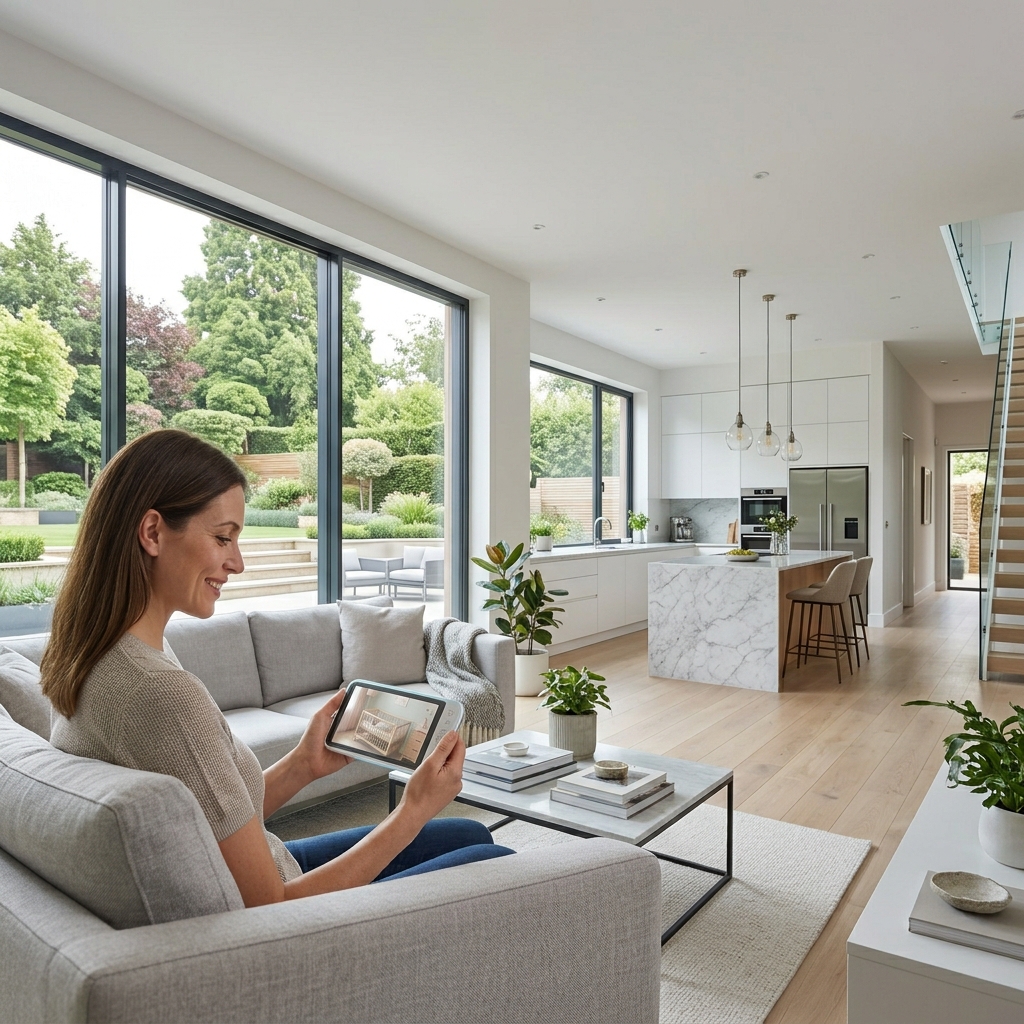
Understanding Baby Monitor Types: A 2026 Overview
The baby monitor market has diversified significantly. Here’s a breakdown of the main types available in 2026:
- Audio-only Monitors: These are the simplest and most affordable. They transmit sound, allowing you to hear your baby.
- Pros: Budget-friendly, simple to use, generally very secure.
- Cons: Lack visual reassurance, limited functionality.
- Video Monitors: These transmit both audio and video, providing a visual check on your baby.
- Pros: Visual reassurance, can see what’s causing crying, often include features like night vision and two-way talk.
- Cons: More expensive than audio-only, potential security vulnerabilities if not secured properly.
- Wi-Fi/Smart Monitors: These connect to your home Wi-Fi network, allowing you to view the feed on your smartphone or tablet.
- Pros: Remote viewing from anywhere with an internet connection, advanced features like motion detection and sleep tracking, often integrate with smart home systems.
- Cons: Reliance on a stable Wi-Fi connection, potential security risks, can be complex to set up.
- Long Range DECT Monitors: Digital Enhanced Cordless Telecommunications (DECT) technology offers excellent range and security. These operate on a dedicated frequency, minimising interference.
- Pros: Long range, secure connection, minimal interference, good audio quality.
- Cons: Generally lack smart features of Wi-Fi monitors, limited video capabilities on some models.
Decoding Range Specifications: What Do They *Really* Mean?
Manufacturers often state a maximum range for their baby monitors (e.g., 300m, 500m). However, these figures are typically measured in open air conditions, which rarely reflect a real-world home environment. Factors that significantly reduce range include:
- Walls: Each wall your signal passes through reduces range. Brick and concrete walls are especially problematic.
- Interference: Other electronic devices (microwaves, cordless phones, Wi-Fi routers) can cause interference.
- Obstacles: Furniture, large metal objects, and even trees in the garden can obstruct the signal.
It’s crucial to test the range in your home after setting up your monitor. Walk around your property with the parent unit to identify any dead spots or areas with weak signal.
Range Requirements Based on Your Home & Lifestyle
The ideal range depends on your specific circumstances:
- Apartments: 50-100m range is usually sufficient.
- Terraced Houses: 100-200m range is recommended, particularly if you want to use the monitor in the garden.
- Detached Houses: 200-300m+ range is ideal, especially for larger gardens and multiple floors.
- Visiting Grandparents: If you frequently visit family, consider a monitor with a reliably long range, or choose a Wi-Fi monitor for remote access.
Key Features to Consider Beyond Range (2026 Tech)
In 2026, baby monitors offer a wealth of features beyond just range. Consider these:
- Night Vision Quality: Crucial for clear visibility in low-light conditions.
- Pan/Tilt/Zoom: Allows you to remotely adjust the camera angle.
- Two-Way Talk: Lets you soothe your baby from another room.
- Temperature Monitoring: Ensures your baby’s room is at a comfortable temperature.
- Lullabies & White Noise: Built-in sounds to help your baby sleep.
- Motion/Sound Detection: Alerts you to activity in the room.
- Breathing Monitoring: (Available on some premium models like the Owlet Cam 2) provides reassurance by tracking your baby’s breathing.
- App Integration: Allows remote viewing and control via your smartphone.
- Data Security: Essential for Wi-Fi monitors. Look for features like encryption and two-factor authentication. 2026 models boast significantly improved security protocols compared to earlier versions.
DECT vs. Wi-Fi: Range & Security Comparison
| Feature | DECT | Wi-Fi |
|---|---|---|
| Range | Generally longer and more reliable, less susceptible to interference. | Can be shorter and more variable, dependent on Wi-Fi signal strength. |
| Security | Very secure, uses a dedicated frequency. | Potentially vulnerable to hacking if not properly secured. 2026 models are much improved with enhanced encryption. |
| Features | Typically limited to basic audio and video. | Offers a wider range of features, including remote viewing, smart home integration, and sleep tracking. |
| Setup | Simple and straightforward. | Can be more complex, requiring Wi-Fi setup and app configuration. |
Top Baby Monitor Ranges for UK Homes (2026)
Under £100
- VTech DM220 Audio Baby Monitor – £35: A reliable and affordable audio-only option. Great for smaller homes.
£100 – £200
- BT Video Baby Monitor 600 – £70: Good value for money, offering clear video and audio. Reasonable range for a terraced house.
- Motorola VM360 Video Baby Monitor – £120: Offers pan/tilt/zoom functionality and a decent range.
- Tommee Tippee Sense Duo Monitor – £150: Includes temperature monitoring and a sleep sensor pad for added peace of mind.
- Philips Avent SCD878 Baby Monitor – £100: Long range DECT monitor with excellent audio quality.
£200+
- Angelcare AC420 Baby Monitor – £180: Features a movement sensor pad to detect your baby’s movements.
- Nanit Pro Smart Baby Monitor – £250: A premium smart monitor with excellent video quality, sleep tracking, and data analysis.
- Owlet Cam 2 (with breathing monitoring) – £299: The most advanced option, providing breathing monitoring and comprehensive data insights.
Troubleshooting Baby Monitor Range Issues
Experiencing range problems? Try these solutions:
- Reduce Interference: Turn off or move interfering devices.
- Improve Wi-Fi Signal: Ensure a strong Wi-Fi signal near the baby monitor. Consider a Wi-Fi extender.
- Remove Obstructions: Clear any objects blocking the signal path.
- Check Battery Life: Ensure both the parent and baby units have sufficient battery charge.
- Update Firmware: Keep the monitor’s firmware up to date for optimal performance.
Future Trends in Baby Monitor Range & Technology (2026 & Beyond)
The future of baby monitors is exciting. We’re seeing:
- Mesh Networking: Using multiple base stations to create a wider and more reliable range.
- AI-Powered Features: Smarter motion and sound detection, sleep pattern analysis, and even automated soothing features.
- Smart Home Integration: Seamless integration with other smart home devices, allowing you to control lights, temperature, and more from the monitor app.
- Enhanced Security: Continuous improvements in encryption and security protocols to protect your privacy.
Conclusion: Choosing the Right Range for Peace of Mind
Choosing the best baby monitor range for your UK home in 2026 requires careful consideration. Assess your home size, lifestyle, and budget. Don’t rely solely on stated range specifications – test the monitor in your environment. Prioritise security, especially with Wi-Fi models. By considering these factors, you can select a baby monitor that provides the peace of mind you deserve, allowing you to focus on what matters most: your little one.