
Table of Contents
As an Amazon Associate, we earn from qualifying purchases. This means we may receive a small commission at no extra cost to you when you buy through links on this page.
Introduction: The Appeal of Second Hand Isofix Car Seats
The cost of living continues to rise, and for many parents in the UK, finding ways to save money is more crucial than ever. One area where costs can quickly add up is car seats. A new Isofix car seat can easily set you back £200 – £500 or more. This has led to a growing interest in buying second hand. Isofix is a standard fitting system for car seats, offering a direct connection to the vehicle’s chassis, greatly reducing incorrect installation – a major factor in ensuring child safety. While the potential savings are attractive, it’s vital to understand the safety implications before purchasing a used Isofix car seat.
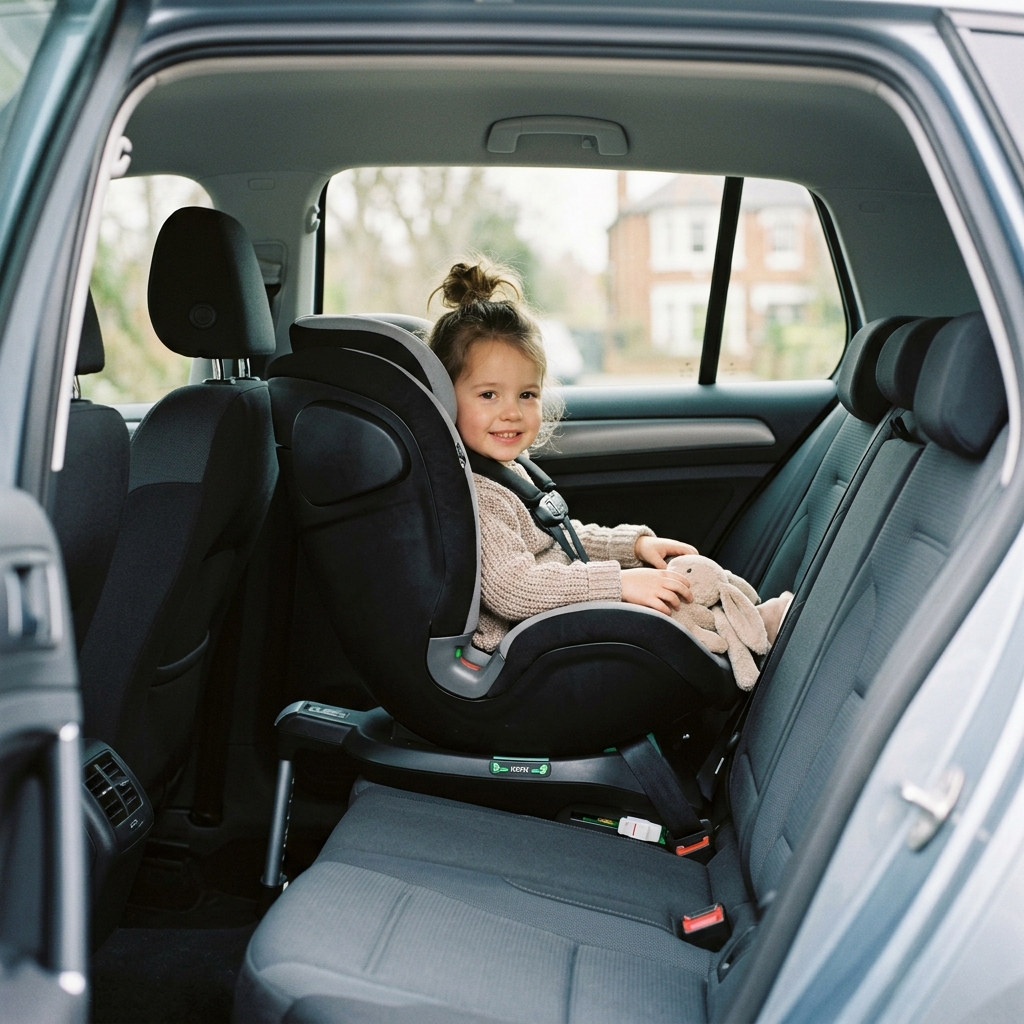
Understanding Isofix Car Seat Safety Standards (UK, 2026)
In the UK, car seats are currently regulated by two main standards: R44/04 and the newer, more comprehensive R129 i-Size. R44/04 is being phased out, with a final date for sale of R44/04 seats expected in 2027. However, many are still in use. R129 (i-Size) is focused on improved side impact protection and mandates rearward-facing travel for longer. As of 2026, i-Size is becoming increasingly dominant in the market.
Both standards require rigorous crash testing. Seats must pass tests simulating frontal, side, and rear impacts. These tests assess the seat’s ability to protect a child during a collision. However, the tests don’t cover the potential effects of long-term wear and tear, or damage sustained in a previous, unreported incident. For 2026, we anticipate further refinements to the i-Size standard, potentially including more stringent side-impact testing incorporating more realistic accident scenarios.
The Risks of Buying a Second Hand Isofix Car Seat
While the idea of a bargain is appealing, buying a second hand Isofix car seat carries significant risks. The biggest concern is the unknown history of the seat. Has it been involved in an accident? Even a minor-seeming bump can compromise the structural integrity of the seat, rendering it less effective in a future collision. Damage might not be immediately visible – internal components can be fractured without any outward signs.
Other risks include:
- Wear and Tear: Plastic can become brittle over time, and harness straps can lose elasticity.
- Missing Parts: Essential components like the Isofix connectors, buckles, or instruction manual may be missing.
- Outdated Standards: An older R44/04 seat may not offer the same level of protection as a newer i-Size seat.
- Counterfeit Products: While less common, counterfeit car seats do exist and won’t meet safety standards.
Key Checks Before Buying a Second Hand Isofix Car Seat
If you’re considering a second hand Isofix car seat, a thorough inspection is absolutely crucial. Here’s a detailed checklist:
- Manufacturing Date: Car seats have an expiration date! Check the label for the date of manufacture. Generally, car seats are considered safe for around 6-10 years from that date, depending on material degradation.
- Visible Damage: Inspect the entire seat for cracks, dents, or tears in the plastic shell, fabric, and straps.
- Accident History: This is the most critical question (see section below).
- All Parts Present: Ensure all buckles, straps, Isofix connectors, and any padding are present and functioning correctly.
- Safety Standard Compliance: Check the label to confirm the seat meets current UK safety standards (R44/04 or R129 i-Size).
- Safety Certification Label: Look for a valid safety certification label. This confirms the seat has been tested and approved.
What to Ask the Seller When Buying Second Hand
Don’t be afraid to ask the seller detailed questions. Here are some essential ones:
- “Has the seat been in an accident?” A direct, honest answer is vital.
- “How old is the seat?” This helps determine if it’s nearing its expiration date.
- “Do you have the original instruction manual?” The manual is essential for correct installation.
- “Why are you selling the seat?” Listen carefully to the answer. A vague or evasive response should raise red flags.
It’s important to assess the seller’s honesty. If you feel they are withholding information or being untruthful, walk away.
Isofix Base Compatibility & Second Hand Seats
Isofix bases and car seats are often designed to work together. Not all Isofix seats are compatible with all Isofix bases. Using an incompatible base can significantly reduce the seat’s safety performance. Before purchasing a second hand seat, *always* verify its compatibility with your vehicle’s Isofix system and, if applicable, your existing Isofix base. Manufacturer websites typically have compatibility checkers.
Cleaning and Sanitising a Second Hand Isofix Car Seat
A used car seat will likely need a thorough cleaning. Use a mild detergent and warm water. Avoid harsh chemicals or abrasive cleaners, as these can damage the seat’s materials. Pay particular attention to the harness straps and fabric covers. Ensure the seat is completely dry before use. Some manufacturers recommend specific cleaning products – check the instruction manual if you have it. Consider using a fabric protector spray after cleaning to help maintain hygiene.
When *Not* to Buy a Second Hand Isofix Car Seat
There are situations where buying a second hand Isofix car seat is strongly discouraged:
- Unknown History: If the seller cannot provide a clear and honest account of the seat’s history.
- Past Expiration Date: If the seat is past its expiration date.
- Visible Damage: If the seat shows any signs of damage, even if it seems minor.
- Missing Manual: If the instruction manual is missing and cannot be obtained from the manufacturer.
- Compatibility Concerns: If you are unsure about the seat’s compatibility with your vehicle or Isofix base.
Alternatives to Second Hand: Affordable New Isofix Car Seats (2026)
If you’re concerned about the risks of buying second hand, there are plenty of affordable new Isofix car seats available in the UK. Here are a few options (prices as of late 2026):
| Product Name | Price (GBP) | Key Features |
|---|---|---|
| Britax Romer Kidfix SL SICT i-Size | £229.0 | i-Size compliant, SICT side impact protection, adjustable headrest. |
| Maxi-Cosi Pearl 360 i-Size | £299.0 | 360° rotation, i-Size compliant, easy installation. |
| Cybex Sirona S i-Size | £349.99 | i-Size compliant, integrated linear side-impact protection, one-hand recline. |
| Joie i-Spin 360 | £249.0 | 360° rotation, i-Size compliant, extended rearward facing. |
| Nuna Rebl Next i-Size | £449.0 | i-Size compliant, smart level technology, luxurious comfort. |
These seats are available from retailers such as Argos, John Lewis, Halfords, and directly from manufacturer websites.
Conclusion: Making an Informed Decision
Buying a second hand Isofix car seat can be tempting, especially with the rising cost of living. However, it’s crucial to weigh the potential savings against the inherent risks. An accident history you’re unaware of, wear and tear, or incompatibility can all compromise the seat’s ability to protect your child.
Prioritise safety above all else. If you have any doubts about the safety or history of a second hand seat, it’s best to opt for a new one. Investing in a new, compliant Isofix car seat provides peace of mind and ensures your child is as safe as possible on every journey.
FAQ
- Can I use a second hand Isofix base with a new car seat? No. Isofix bases and car seats *must* be compatible. Check the manufacturer’s compatibility list before use.
- How long is an Isofix car seat valid for? Generally, 6-10 years from the date of manufacture, but this can vary depending on the manufacturer and material condition.
- What does ‘i-Size’ mean? i-Size (R129) is the latest European safety standard for car seats. It focuses on improved side-impact protection and mandates extended rearward facing.
- What should I do if I can’t find the instruction manual for a second hand car seat? Contact the manufacturer. Many provide downloadable manuals on their website. If you can’t find a manual, *do not* use the seat.
- Is it legal to sell a second hand car seat? Yes, it’s legal. However, sellers have a responsibility to be honest about the seat’s history.