Bringing a little one into the world is wonderful, but it also comes with anxieties about their health and safety. Being prepared for minor injuries and illnesses is crucial, and a well-stocked baby first aid kit is an absolute essential. This guide will walk you through everything you need to know about building or buying a kit tailored to your baby’s needs in 2026.
As an Amazon Associate, we earn from qualifying purchases. This means we may receive a small commission at no extra cost to you when you buy through links on this page.
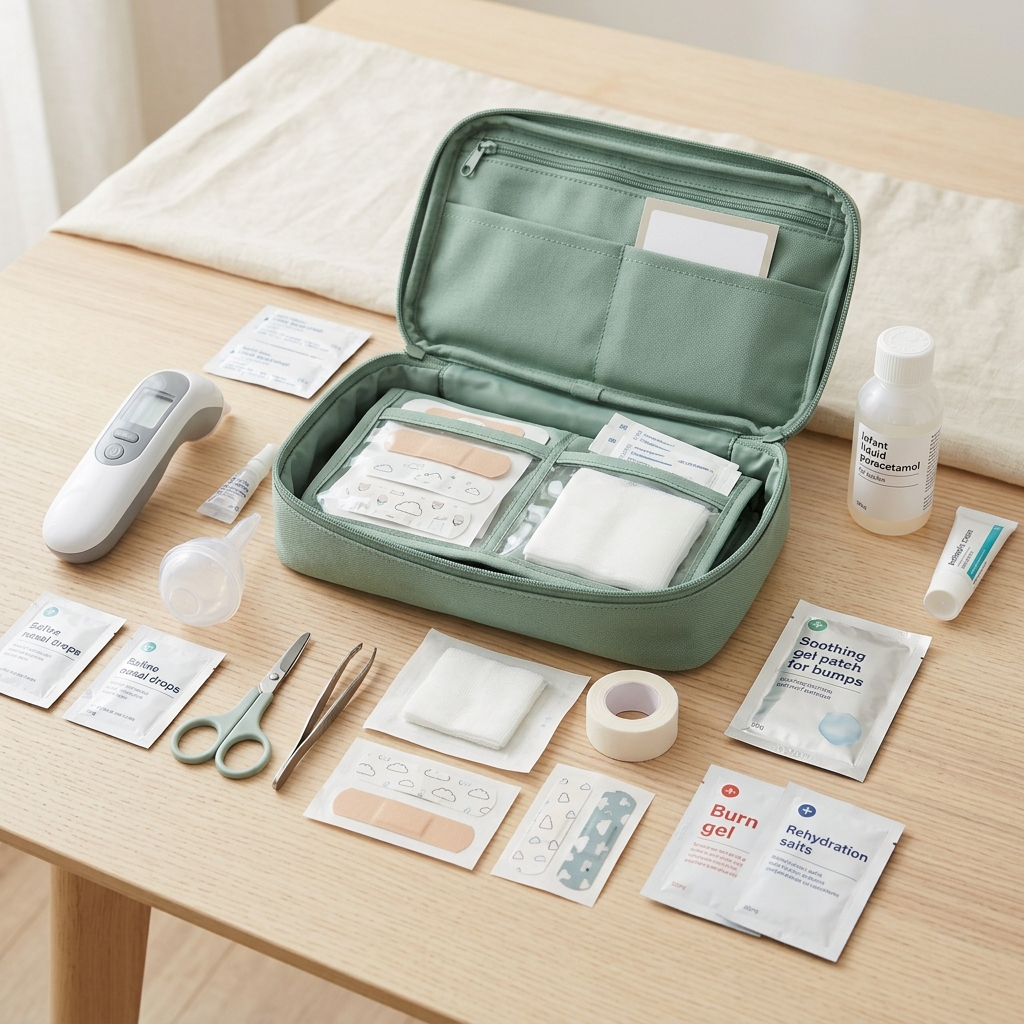
Table of Contents
Why You Need a Dedicated Baby First Aid Kit
While an adult first aid kit is a good starting point, babies and young children have unique medical needs. Adult medications and equipment aren’t always suitable – or even safe – for infants. A baby first aid kit should contain items specifically designed for smaller bodies and common childhood ailments like fevers, minor cuts, bumps, stings, and allergic reactions. Preparedness isn’t about expecting the worst; it’s about being confident you can respond effectively and calmly to everyday occurrences, providing immediate care until professional medical help can be sought if needed. Common baby ailments in 2026 still include teething discomfort, minor burns from household items, and insect bites during warmer months.
Essential Baby First Aid Kit Contents: A Detailed List
Here’s a comprehensive list, broken down into categories, to help you build a complete kit. Quantities are suggestions and can be adjusted based on your needs and travel habits.
- Sterile Wound Cleaning Wipes: 20-30 wipes
- Adhesive Bandages: Assorted sizes (hypoallergenic), 20-30
- Non-Stick Dressings: 5-10 (various sizes)
- Medical Tape: 1 roll (hypoallergenic)
- Antiseptic Wipes: 10-20
- Pain Relief: Calpol Infant Suspension (100ml) & Nurofen for Children Strawberry (100mg/5ml) – See disclaimer in Managing Fever & Pain section.
- Digital Thermometer: 1 (rectal, axillary, or temporal artery – choose one suitable for babies)
- Cooling Packs/Gel Pads: 2-3 (for fever management)
- Antihistamine Cream/Liquid: 1 tube/bottle – See disclaimer in Dealing with Bites, Stings & Allergies section.
- Insect Repellent: Baby-safe formulation, 1 bottle
- Tweezers: 1 (for removing splinters/ticks)
- Hydrocortisone Cream: 1 tube (for rashes)
- Sterile Saline Solution: 1 bottle (for eye/nose irrigation)
- Syringe or Bulb Syringe: 1 (for clearing airways)
- Disposable Gloves: 2-3 pairs
- First Aid Manual: Baby/child specific, 1
- Small Blanket: 1 (for comfort and shock management)
Core Wound Care Supplies
Minor cuts and scrapes are inevitable. Keeping wounds clean is paramount to prevent infection. Ensure all wound care products are labelled hypoallergenic to minimise the risk of irritation to delicate baby skin. Look for bandages with fun designs in 2026 to help distract your little one during application.
- Sterile Wound Cleaning Wipes: Choose alcohol-free wipes designed for sensitive skin.
- Adhesive Bandages: A variety of sizes is essential, from tiny fingertip bandages to larger ones for knees and elbows.
- Non-Stick Dressings: These are ideal for more significant scrapes, preventing the dressing from sticking to the wound.
- Medical Tape: Hypoallergenic paper tape is gentlest for baby skin.
- Antiseptic Wipes: Use a mild antiseptic wipe to clean around the wound, not directly on it.
Managing Fever & Pain
Fevers and teething pain can be distressing for babies. Having appropriate pain relief on hand is vital.
Important Disclaimer: Always consult your GP or pharmacist for appropriate dosage information for pain relief medication (Calpol and Nurofen) based on your baby’s weight and age. Read and follow the instructions on the packaging carefully. Never exceed the recommended dose.
- Calpol Infant Suspension (100ml – £6.00): A common choice for reducing fever and relieving mild pain.
- Nurofen for Children Strawberry (100mg/5ml – £7.00): Another effective option for fever and pain relief.
- Digital Thermometer: Rectal thermometers are generally considered the most accurate for babies under 6 months. Axillary (armpit) and temporal artery (forehead) thermometers are easier to use but may be slightly less accurate.
- Cooling Packs/Gel Pads: These can help lower a fever, but never apply them directly to the skin; always wrap them in a cloth.
Dealing with Bites, Stings & Allergies
Insect bites and stings, along with allergic reactions, can occur, especially during the warmer months. Recognising the signs of an allergic reaction is crucial.
Important Disclaimer: Always consult your GP or pharmacist for appropriate dosage information for antihistamine cream/liquid based on your baby’s weight and age. If your baby shows signs of a severe allergic reaction (difficulty breathing, swelling of the face or tongue, dizziness), seek immediate medical attention.
- Antihistamine Cream/Liquid: For mild insect bites and stings.
- Insect Repellent: Choose a baby-safe formulation, avoiding products containing DEET.
- Tweezers: For carefully removing splinters or ticks.
- Hydrocortisone Cream: For soothing itchy rashes.
Other Important Items to Include
- Sterile Saline Solution: For gently irrigating eyes or clearing a blocked nose.
- Syringe or Bulb Syringe: For safely removing mucus from a baby’s nose or mouth.
- Disposable Gloves: To protect yourself and your baby from infection.
- First Aid Manual: A guide specifically for babies and children is essential.
- Small Blanket: To provide comfort and help manage shock.
Building Your Kit vs. Buying Pre-Made
You have two main options: assemble a kit yourself or purchase a pre-made one.
| Feature | Build Your Own | Pre-Made Kit |
|---|---|---|
| Cost | Generally cheaper (approx. £40-£60) | Can be more expensive (approx. £20-£40) |
| Customization | Highly customizable – you choose exactly what you need. | Limited customization – you get what’s included. |
| Completeness | Requires careful planning to ensure all essentials are included. | Generally contains a good range of essential items. |
| Convenience | More time-consuming to assemble. | Ready to use immediately. |
Popular Pre-Made Kits (2026):
- Tommee Tippee First Aid Kit – £24.99
- MAM Baby First Aid Kit – £29.99
- Puj Baby First Aid Kit – £39.99
- Graco First Aid Kit – £19.99
- Steroplast First Aid Kit – £35.00 (more comprehensive, may be overkill for a basic baby kit)
Storing Your Baby First Aid Kit Properly
Proper storage is vital. Keep the kit in a safe, dry place that is easily accessible to adults but out of reach of children. A high shelf in a linen cupboard or a dedicated box in a secure location is ideal. Check expiry dates on all items at least every six months and replenish any used or expired supplies. When travelling, pack the kit in your baby bag or suitcase, ensuring it’s easily accessible during journeys.
First Aid Training for Parents & Caregivers
While a first aid kit is essential, knowing how to use it is even more important. A certified baby and child first aid course will equip you with the skills and confidence to handle a wide range of emergencies.
Recommended Training Providers in the UK (2026):
- St John Ambulance: https://www.sja.org.uk/
- British Red Cross: https://www.redcross.org.uk/
- Daisy First Aid: https://daisyfirstaid.com/
FAQ
Q: How often should I replace items in my baby first aid kit?
Check expiry dates at least every six months. Replace used items immediately. Even unopened items can degrade over time, so consider replacing the entire kit every 1-2 years.
Q: What should I do if my baby has a head injury?
Seek immediate medical attention, even if the injury appears minor. Watch for signs of concussion, such as vomiting, drowsiness, or changes in behaviour.
Q: Can I use adult pain relief for my baby?
No, never. Adult medications contain dosages that are unsafe for babies. Always use pain relief specifically formulated for infants and children, and follow dosage instructions carefully.
Q: What if I’m unsure about how to treat an injury or illness?
Don’t hesitate to contact your GP, NHS 111, or seek emergency medical attention if you are concerned. It’s always better to err on the side of caution.
Q: Are there any new advancements in baby first aid for 2026?
In 2026, there’s increased focus on recognizing and responding to allergic reactions, particularly food allergies, with updated guidance on epinephrine auto-injector use for children (though these are prescription-only). Additionally, wearable baby monitors with integrated temperature tracking are becoming more popular, providing an early warning system for fevers. However, these should not replace a traditional thermometer.