
Feeding time with a little one should be calm and convenient, and a baby bottle warmer can be a real lifesaver. This guide will walk you through everything you need to know to choose the best baby bottle warmer for your needs in 2026, focusing on options readily available in the UK market. We’ll cover the benefits, types, key features, and our top picks, plus essential safety information.
As an Amazon Associate, we earn from qualifying purchases. This means we may receive a small commission at no extra cost to you when you buy through links on this page.
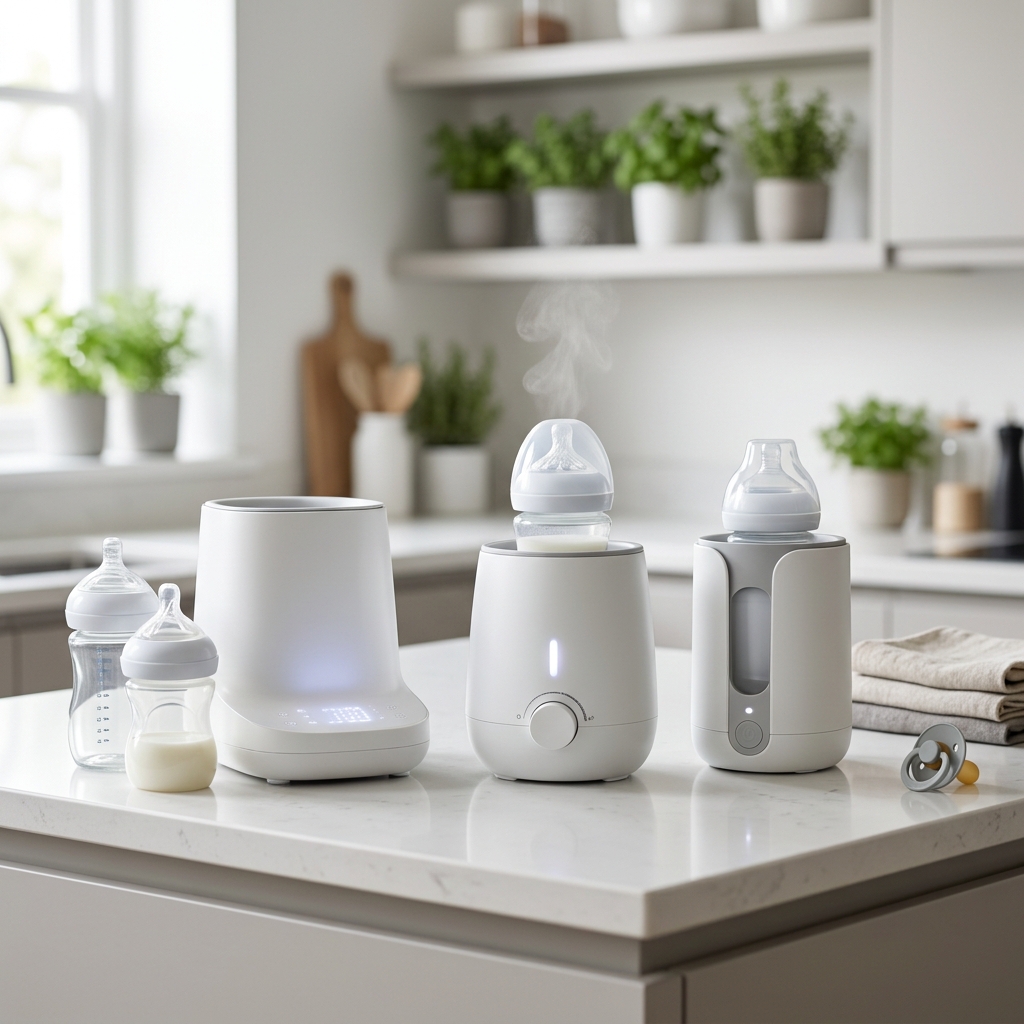
Table of Contents
Why Use a Baby Bottle Warmer?
While not strictly *necessary*, a baby bottle warmer offers significant advantages for many families. Here’s why:
- Convenience: Warming a bottle quickly, especially during nighttime feeds, is a huge time-saver and less stressful than running water or using a microwave.
- Preserving Nutrients: Bottle warmers generally warm milk more evenly than a microwave, helping to preserve heat-sensitive nutrients like Vitamin C and beneficial antibodies found in breastmilk.
- Consistent Temperature: Ensuring a consistent temperature reduces the risk of scalding your baby and provides a more comfortable feeding experience.
- Suitable for Different Feeding Methods: Bottle warmers work equally well with formula and expressed breast milk. Many even offer a defrosting setting for frozen breast milk.
Some parents worry about over-reliance on convenience. However, a bottle warmer doesn’t detract from bonding with your baby; it simply streamlines a practical aspect of feeding.
Types of Baby Bottle Warmers
Several types of bottle warmers are available, each with its own strengths and weaknesses:
Electric Bottle Warmers
These are the most common type. They plug into a mains socket and offer precise temperature control and features like auto shut-off. They typically heat bottles relatively quickly.
- Pros: Accurate temperature control, consistent results, often include extra features like defrosting and sterilisation.
- Cons: Requires a power outlet, can be bulky.
Fast Bottle Warmers
Designed for speed, these warmers typically use steam technology to heat bottles in just a few minutes.
- Pros: Very quick heating, ideal for urgent feeds.
- Cons: May not offer the same level of temperature precision as standard electric warmers, can be slightly more expensive.
Portable Bottle Warmers (USB/Battery Powered)
Perfect for travel or outings, these warmers are compact and can be powered by a USB port or batteries. They generally take longer to heat a bottle.
- Pros: Highly portable, convenient for on-the-go feeding.
- Cons: Slower heating, less precise temperature control, may require pre-heating.
Travel Options
Some brands offer insulated bottle bags with a warming element that can be heated in hot water. These provide a simpler, low-tech warming solution for travel.
Key Features to Consider
When choosing a bottle warmer, consider these features:
Temperature Control
Essential for ensuring the milk is at a safe and comfortable temperature for your baby. Look for models with multiple temperature settings.
Auto Shut-Off
A crucial safety feature that automatically turns the warmer off once the milk reaches the desired temperature, preventing overheating.
Compatibility with Different Bottle Sizes/Types
Ensure the warmer can accommodate the bottles you use, including wide-neck and standard bottles. Some models require adapters.
Defrost Function
Highly convenient for parents who use frozen breast milk.
Sterilisation Function
Some warmers double as bottle sterilisers, saving space and money.
Ease of Cleaning
Choose a model with removable parts that are dishwasher safe for easy cleaning.
Timer Settings
Allow you to set a specific warming time, ensuring consistent results.
Safety Features
Look for features like cool-touch exteriors and stable bases to prevent accidents.
Top 5 Baby Bottle Warmers in the UK (2026)
1. Philips Avent Fast Bottle Warmer
Price: £45.99
The Philips Avent Fast Bottle Warmer lives up to its name, heating bottles quickly and evenly. It’s compatible with Avent bottles and most other standard bottles. It features a defrost setting and auto shut-off for safety.
- Pros: Fast heating, easy to use, compatible with many bottles, auto shut-off.
- Cons: Can be a bit noisy.
2. Tommee Tippee Closer to Nature Electric Bottle Warmer
Price: £39.99
A popular choice, the Tommee Tippee warmer is known for its consistent warming and ease of use. It’s specifically designed to work well with Tommee Tippee bottles but also accommodates others. It includes a temperature indicator and auto shut-off.
- Pros: Affordable, easy to clean, good for Tommee Tippee bottles, auto shut-off.
- Cons: Slower than some fast warmers.
3. Dr. Brown’s Instant Bottle Warmer
Price: £54.99
The Dr. Brown’s Instant Bottle Warmer heats quickly and is designed to work perfectly with Dr. Brown’s bottles. It uses steam to heat the milk evenly and includes an auto shut-off function. It’s a good option for those who primarily use Dr. Brown’s bottles.
- Pros: Very fast, designed for Dr. Brown’s bottles, auto shut-off.
- Cons: More expensive, best suited to Dr. Brown’s bottles.
4. Nuby Quick Dry Bottle Warmer
Price: £29.99
The Nuby Quick Dry Bottle Warmer is an affordable and versatile option. It’s compact and can be used for warming bottles, baby food jars, and even small quantities of food for toddlers. It has a simple on/off switch.
- Pros: Budget-friendly, compact, versatile.
- Cons: Lacks advanced features like temperature control or auto shut-off.
5. Beaba Baby Bottle Warmer
Price: £89.99
The Beaba Baby Bottle Warmer is a premium option offering precise temperature control, a defrosting setting, and an auto shut-off. It also boasts a sleek design and is compatible with a wide range of bottle types. It features a built-in timer and can even be used to warm small jars of baby food.
- Pros: Highly precise, advanced features, stylish design, versatile.
- Cons: Most expensive option.
Bottle Warmer Comparison Table
| Product Name | Price (GBP) | Heating Speed | Temperature Control | Auto Shut-Off | Defrost Function | Compatibility |
|---|---|---|---|---|---|---|
| Philips Avent Fast | £45.99 | Fast | Yes | Yes | Yes | Most standard bottles |
| Tommee Tippee Closer to Nature | £39.99 | Moderate | Yes | Yes | No | Tommee Tippee & others |
| Dr. Brown’s Instant | £54.99 | Very Fast | Yes | Yes | No | Dr. Brown’s bottles |
| Nuby Quick Dry | £29.99 | Slow | No | No | No | Bottles, Jars |
| Beaba Baby Bottle | £89.99 | Fast | Precise | Yes | Yes | Wide range |
How to Safely Use a Baby Bottle Warmer
Safety is paramount when using a bottle warmer:
- Always check the temperature before feeding. Test a few drops on the inside of your wrist to ensure it’s lukewarm, not hot.
- Avoid overheating. Follow the manufacturer’s instructions carefully and don’t exceed the recommended warming time.
- Proper cleaning and maintenance are essential to prevent bacterial growth. Clean the warmer regularly according to the manufacturer’s instructions.
- Be aware of potential milk degradation. While bottle warmers preserve more nutrients than microwaves, prolonged warming can still affect the quality of the milk. Use warmed milk promptly.
- Never leave a bottle warmer unattended while in use.
Frequently Asked Questions (FAQs)
How long does it take to warm a bottle?
Warming time varies depending on the type of warmer, the starting temperature of the milk, and the volume of milk. Fast warmers can heat a bottle in 60-90 seconds, while standard electric warmers may take 3-5 minutes.
Can you warm breast milk in a bottle warmer?
Yes, absolutely! Bottle warmers are a safe and effective way to warm breast milk, helping to preserve its valuable nutrients. Use the defrost setting if warming frozen milk.
What’s the best way to clean a bottle warmer?
Most bottle warmers have removable parts that are dishwasher safe. Otherwise, wash them with warm, soapy water and rinse thoroughly. Regularly descale the warmer according to the manufacturer’s instructions.
How do I know the milk isn’t too hot?
Always test the temperature before feeding. Put a few drops on the inside of your wrist. It should feel lukewarm, similar to the temperature you’d test a baby’s bathwater.
Are bottle warmers essential?
No, they aren’t *essential*, but they offer considerable convenience and can help ensure your baby receives milk at a safe and comfortable temperature. Many parents find them a worthwhile investment, particularly for nighttime feeds.