
Table of Contents
As an Amazon Associate, we earn from qualifying purchases. This means we may receive a small commission at no extra cost to you when you buy through links on this page.
Introduction: Why Swing Speed Matters
Baby swings are a fantastic tool for parents in the UK, offering a safe and soothing space for little ones. They provide entertainment, can aid in developmental support, and, crucially, can give parents a much-needed break. But simply owning a swing isn’t enough. Selecting the right speed is vital for ensuring your baby enjoys the experience and benefits from it. Too fast, and it can be overstimulating or even frightening. Too slow, and it might not be effective in soothing or engaging your child. This guide will walk you through everything you need to know about choosing the optimal baby swing speed for your little one, while keeping safety paramount. We’ll cover age-related recommendations, features to consider, and some of the best swings available in the UK in 2026.
Understanding Baby Swing Speed Settings
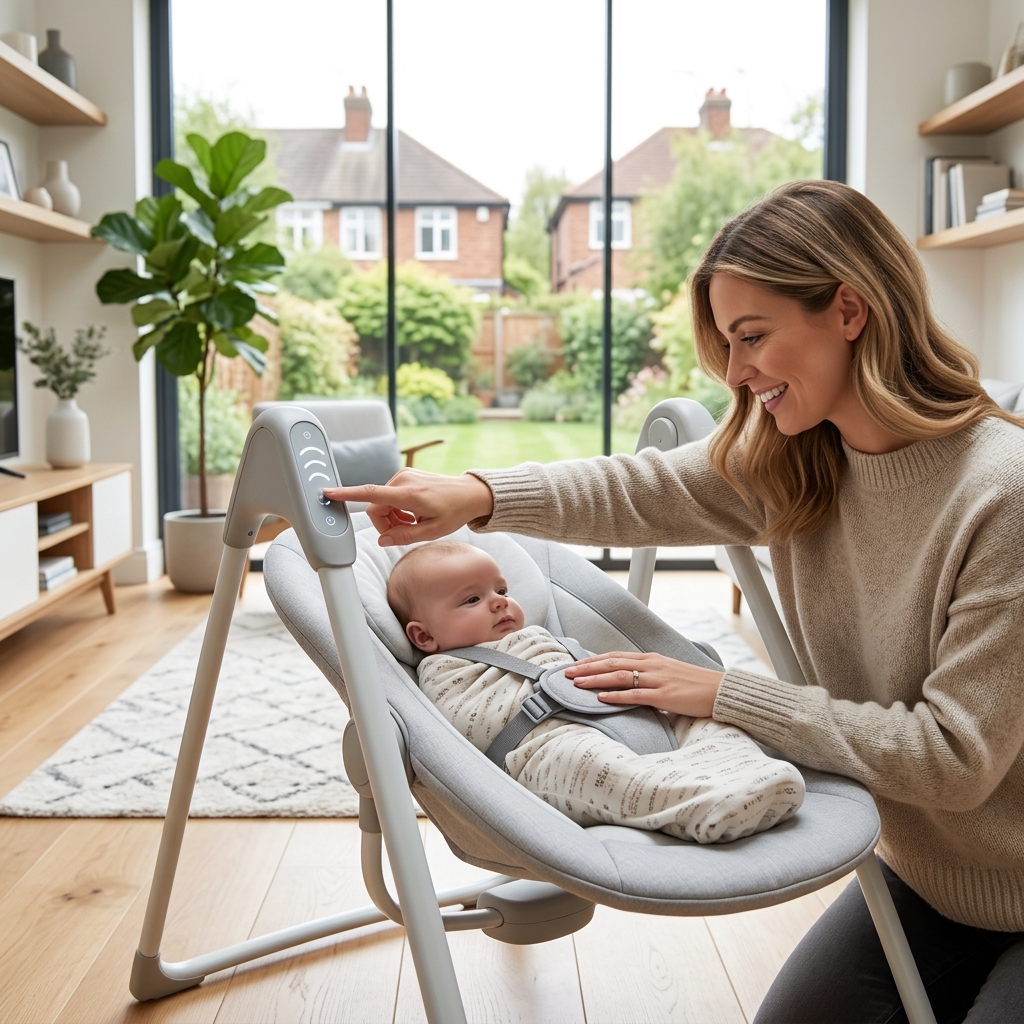
Most baby swings in the UK offer a range of speed settings, typically labelled as Low, Medium, and High. Some modern swings also feature variable speed control, allowing for more precise adjustments. While manufacturers rarely advertise speeds in Revolutions Per Minute (RPM), understanding that a higher setting correlates to faster movement is helpful. Generally:
- Low: Gentle, subtle movement, best for newborns and very sensitive babies.
- Medium: A more noticeable but still calming sway, suitable for slightly older babies.
- High: A faster, more energetic swing, generally preferred by older, more active babies.
- Variable: Allows you to find the perfect speed for your baby, adjusting incrementally.
Increasingly, swings incorporate automatic speed adjustment features. These often utilize sensors to detect your baby’s fussiness and will automatically adjust the speed (and sometimes other features like sound or motion) to try and soothe them. These can be incredibly helpful, but it’s still important to monitor your baby’s reaction.
Age & Development: Matching Speed to Your Baby
The appropriate swing speed is heavily dependent on your baby’s age and developmental stage. Here’s a detailed breakdown:
Newborn (0-3 months)
Newborns require the gentlest of motions. A low speed is almost always the best starting point. At this age, babies are still adjusting to the world and can be easily overstimulated. Focus on a slow, rhythmic sway that mimics the feeling of being held and rocked. Pay close attention to your baby’s cues. If they seem relaxed, with their eyes closing or a peaceful expression, the speed is likely appropriate. Fussiness, jerky movements, or wide-eyed staring could indicate the speed is too fast.
3-6 months
As your baby grows, they might enjoy a slightly faster pace. You can gradually increase the speed to medium. At this stage, they’re becoming more aware of their surroundings and may find a bit more movement engaging. Continue to observe your baby’s reaction. Some babies may still prefer a low speed, while others will respond well to medium. This is also a good time to introduce different swing directions (see section 4).
6-9 months
Babies in this age group are typically more active and curious. Many will enjoy a medium to high speed. They may start reaching for toys and actively engaging with the swing’s features. However, remember that every baby is different. If your baby seems overwhelmed by a higher speed, reduce it until they appear comfortable. It’s also important to ensure they are securely harnessed and cannot stand up in the swing.
9+ months
By this age, your baby is likely very active and may be approaching the maximum weight limit for the swing. A medium to high speed may still be enjoyable, but prioritize safety. Ensure the harness is properly fitted and that the swing is stable. Consider whether your baby is still benefiting from the swing or if they’ve outgrown it. Many babies transition to other forms of entertainment and activity around this age.
Important Note: These are general guidelines. Always prioritize your baby’s individual cues. If they show any signs of discomfort, adjust the speed accordingly.
Swing Features That Impact Perceived Speed
The “speed” of a swing isn’t just about RPM. Several features can influence how fast the motion *feels* to your baby:
- Swing Arc: A wider swing arc (the distance the swing travels from side to side or front to back) creates a more dramatic sensation of movement, even at a lower speed.
- Swing Direction: Side-to-side swings often feel gentler than front-to-back swings. Some swings offer both options, allowing you to choose the motion your baby prefers.
- Seat Recline: A more reclined seat can make the swing feel more relaxing, even at a higher speed, as it provides more support and reduces the sensation of being thrown around.
You can use these features to your advantage. For example, if your baby seems sensitive to speed, a swing with a narrower arc and a more reclined seat might be a good choice, even if you use a slightly higher speed setting.
Safety First: Important Considerations
Safety is paramount when using a baby swing. Always adhere to the following guidelines:
- Maximum Weight Limit: Never exceed the manufacturer’s stated weight limit.
- Harness Security: Always use the harness and ensure it’s properly adjusted.
- Swing Stability: Place the swing on a level, stable surface.
- Automatic Shut-Off: Ensure the swing has an automatic shut-off feature that activates after a set period (e.g., 30 minutes).
- Supervision: Never leave your baby unattended in a swing.
- Usage Limits: Avoid prolonged use. Swings are meant to be supplemental tools, not replacements for human interaction and floor time.
For further information, consult the British Standards Institution (BSI) website for relevant safety standards related to baby equipment, such as BS EN 16120. You can find more information at https://www.bsigroup.com (example link – check for current standards).
Top Baby Swings in the UK (2026) – With Speed Control Features
Here’s a comparison of some popular baby swings available in the UK, focusing on their speed control features:
| Product Name | Price (GBP) | Speed Settings | Swing Direction | Key Features | Pros | Cons |
|---|---|---|---|---|---|---|
| Graco Simple Sway Swing | £129.99 | 6 speeds | Side-to-Side | Compact design, multiple melodies, vibration feature | Affordable, lightweight, easy to store | Limited features compared to more expensive models |
| Fisher-Price Soothing Motions Swing | £159.99 | 6 speeds | Front-to-Back & Side-to-Side | SmartSwing technology, multiple sounds & speeds, rotating mobile | Versatile, calming motions, engaging features | Can be bulky, some users find the sounds repetitive |
| Joie Serenity Sway UX | £199.99 | 5 speeds | Side-to-Side & Front-to-Back | Multiple recline positions, Bluetooth connectivity, built-in white noise | Stylish design, convenient features, good value for money | Requires batteries or adapter (sold separately) |
| 4moms MamaRoo Multi-Motion Baby Swing | £279.99 | 5 unique motions, variable speed | Multiple | Bluetooth connectivity, app control, washable seat fabric | Innovative motions, customizable settings, modern design | Expensive, some babies may not respond to the unique motions |
| Inglesina Bravo Swing | £229.99 | 4 speeds | Front-to-Back | Compact folding design, adjustable recline, multiple melodies | Easy to transport and store, comfortable seat | Fewer speed settings than some competitors |
Troubleshooting: My Baby Doesn’t Like the Swing!
If your baby isn’t enjoying the swing, don’t despair! Here are some common reasons and solutions:
- Speed Too Fast/Slow: Experiment with different speed settings.
- Motion Uncomfortable: Try a different swing direction or adjust the seat recline.
- Sensory Overload: Reduce the volume of any sounds or mobiles. Use the swing in a quiet room.
- Baby Not Tired: A swing is best used when your baby is already sleepy, not as a tool to *make* them tired.
- Baby Prefers Being Held: Some babies simply prefer the close contact of being held. That’s perfectly normal!
Creating a positive experience involves patience and observation. Don’t force your baby to use the swing if they are clearly uncomfortable.
Frequently Asked Questions (FAQs)
Q: What is the safest speed for a newborn?
A: Always start with the lowest speed setting for newborns. Gentle, subtle movements are best for their developing systems.
Q: How long can I leave my baby in a swing?
A: Experts recommend limiting swing time to no more than 20-30 minutes at a time. Prolonged use can hinder development and isn’t a substitute for floor time and interaction.
Q: Can I use a swing if my baby has reflux?
A: Consult your GP before using a swing if your baby has reflux. A more reclined position may be helpful, but the motion could potentially exacerbate symptoms in some cases.
Q: What does “variable speed” actually mean?
A: Variable speed control allows for very small, incremental adjustments to the swing’s speed, helping you find the *perfect* setting for your baby’s individual needs and preferences. It’s more precise than simply choosing between Low, Medium, and High.
Q: Are older swings still safe to use?
A: If an older swing meets current UK safety standards (BS EN standards), it can be safe to use. However, check for recalls and ensure all parts are in good working order. It is preferable to use newer models, as they typically have enhanced safety features.