
Table of Contents
As an Amazon Associate, we earn from qualifying purchases. This means we may receive a small commission at no extra cost to you when you buy through links on this page.
Introduction: Creating a Calm & Inspiring Nursery
The nursery is more than just a room; it’s the first world your baby experiences. Colour plays a vital role in shaping this experience, influencing mood, development, and even sleep patterns. Choosing the right colour scheme isn’t just about aesthetics – it’s about creating a nurturing and inspiring environment. In 2026, nursery design trends are leaning towards comforting, nature-inspired palettes and sophisticated takes on classic pastels, with an increasing emphasis on eco-friendly and non-toxic options. This guide will walk you through the latest trends, colour psychology, and practical advice to help you create the perfect nursery for your little one.
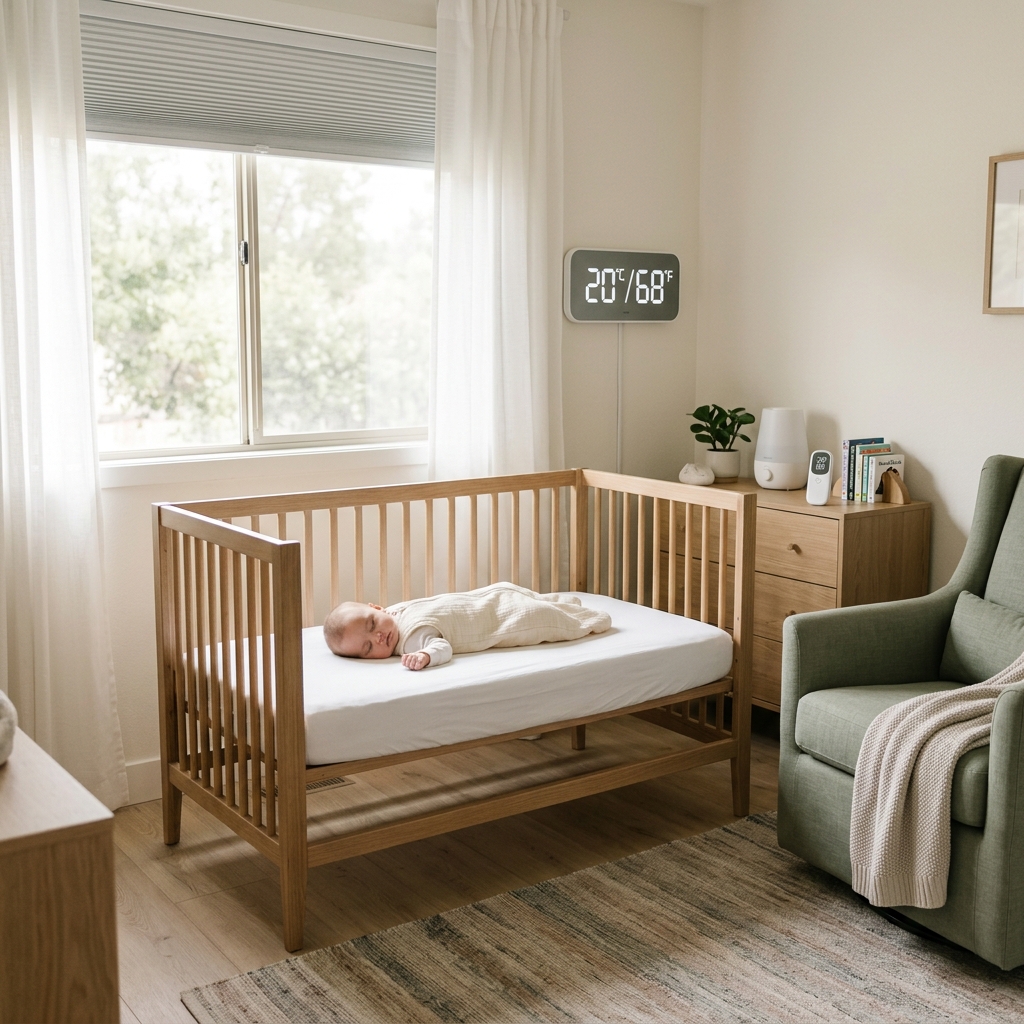
Understanding Colour Psychology for Nurseries
Colours evoke different emotions and can have a significant impact on a baby’s developing brain. Here’s a breakdown of how different colours are perceived:
- Blues: Calming, serene, and associated with tranquility. Can promote restful sleep.
- Greens: Restful, balancing and linked to nature, growth and harmony. Excellent for creating a peaceful atmosphere.
- Yellows: Cheerful, optimistic, and stimulating. Use in moderation as too much can be overstimulating.
- Greys: Sophisticated, neutral, and versatile. Provides a calming backdrop for brighter accents.
- Pinks: Traditionally associated with femininity, but can also be warm and comforting. Muted pinks are particularly popular.
- Purples: Associated with creativity, wisdom, and luxury. Lavender shades are calming and relaxing.
When choosing colours, consider the overall mood you want to create. A balance between calming and stimulating colours is ideal – avoid extremes.
Top Nursery Paint Colour Trends UK – 2026
The nursery paint landscape in 2026 is defined by four main trends:
- Earth Tones
- Muted Pastels
- Warm Neutrals
- Bold Accents
Earth Tones: Bringing Nature Indoors
Biophilic design continues to dominate interiors, and nurseries are no exception. Earth tones connect babies to the natural world and create a feeling of grounding and security. Popular shades include:
- Sage Green: A calming and versatile green that complements both warm and cool tones.
- Terracotta: A warm, earthy orange-brown that adds a touch of sophistication.
- Ochre: A muted yellow-brown that brings a sunny, natural vibe.
- Warm Browns: Chocolate browns and taupes create a cosy and comforting atmosphere.
Combine these colours with natural materials like wood and woven textures for a truly organic feel.
Muted Pastels: Classic Comfort with a Modern Twist
Pastels remain a popular choice for nurseries, but in 2026, we’re seeing a move away from overly bright and saccharine shades towards more muted and sophisticated tones. Think:
- Dusty Pink: A softer, more grown-up alternative to bubblegum pink.
- Powder Blue: A gentle and calming blue that promotes relaxation.
- Lavender Grey: A subtle and sophisticated purple that’s perfect for creating a peaceful atmosphere.
- Mint Green: A refreshing and calming green that brings a touch of nature indoors.
Pair muted pastels with white or cream for a clean and contemporary look. Avoid overwhelming the space with too many pastel shades – less is often more.
Warm Neutrals: Versatile & Timeless
Warm neutrals provide a flexible base for any nursery design. They grow with the child, allowing you to easily update the décor as their tastes change. Popular choices include:
- Greys: Warm greys (greiges) are more inviting than cool greys.
- Creams: A classic and versatile choice that creates a warm and welcoming atmosphere.
- Beiges: A timeless neutral that pairs well with a variety of colours.
- Off-Whites: Soft and subtle, off-whites provide a clean and airy backdrop.
Add pops of colour through accessories, artwork, and textiles to personalize the space.
Bold Accents: Adding Personality and Fun
Don’t be afraid to incorporate bolder colours into your nursery design! Use them as accent walls or through nursery décor to add personality and fun. Consider:
- Mustard Yellow: A cheerful and energising colour that adds a pop of sunshine.
- Deep Teal: A sophisticated and calming blue-green that creates a sense of depth.
- Coral: A warm and inviting colour that adds a touch of vibrancy.
Balance bold colours with calmer tones to prevent the space from feeling overwhelming.
Paint Finishes: Choosing the Right Sheen
The paint finish you choose can significantly impact the look and durability of your nursery walls. Here’s a breakdown:
- Matte: Non-reflective, hides imperfections, but less durable and harder to clean.
- Eggshell: Slightly more sheen than matte, offering better durability and washability. A popular choice for nurseries.
- Satin: More sheen than eggshell, very durable and washable, but can highlight imperfections.
- Gloss: Highly reflective, extremely durable and washable, but rarely used in nurseries due to its harshness.
For nurseries, eggshell or a durable satin finish are generally recommended. They offer a good balance of aesthetics, durability, and washability – essential for dealing with inevitable little messes.
Preparing Your Nursery Walls for Painting
Proper wall preparation is crucial for a professional-looking finish. Here’s a step-by-step guide:
- Clean the walls: Remove dust, dirt, and grime with a mild detergent and water.
- Fill holes and cracks: Use a filler to repair any imperfections.
- Sand the walls: Smooth out any rough patches and create a smooth surface for painting.
- Prime the walls: Apply a non-toxic primer to improve paint adhesion and coverage.
Always use a non-toxic primer specifically designed for nurseries.
Eco-Friendly & Non-Toxic Paint Options UK
Prioritising safety is paramount when choosing paint for a nursery. Look for paints that are low in VOCs (Volatile Organic Compounds) or VOC-free. Here are some popular UK brands:
- Earthborn: Claypaint is a natural, breathable paint with zero VOCs. (£65.00 for 2.5L)
- Little Greene: Offers a range of eco-friendly paints with low VOC content. (£68.00 for 2.5L)
- Dulux Ambiance: Specifically formulated for nurseries, with low VOCs and excellent coverage. (£38.00 for 2.5L)
- Farrow & Ball: While premium priced, they offer a range of eco-friendly paints. (£75.00 for 2.5L)
- B&Q GoodHome: A more affordable option with a range of low-VOC paints. (£22.00 for 2.5L)
Combining Paint Colours: Creating Harmonious Schemes
Here are a few colour combinations to inspire your nursery design:
- Sage Green & Warm Beige: A calming and natural combination.
- Dusty Pink & Grey: A sophisticated and modern pairing.
- Powder Blue & Cream: A classic and serene combination.
- Ochre & White: A warm and inviting scheme.
- Terracotta & Muted Lavender: A unique and earthy combination.
Where to Buy Nursery Paint in the UK (2026)
You can find nursery paint at a variety of retailers and online stores:
- B&Q: www.diy.com
- Wickes: www.wickes.co.uk
- Dulux: www.dulux.co.uk
- Farrow & Ball: www.farrow-ball.com
- John Lewis & Partners: www.johnlewis.com
Conclusion: Painting Your Way to a Dream Nursery
Choosing the right nursery paint colours is an exciting step in preparing for your new arrival. Remember to consider colour psychology, current trends, and, most importantly, your personal style. Prioritise safety by opting for eco-friendly and non-toxic paints. With careful planning and a little creativity, you can create a calming, inspiring, and beautiful nursery that your little one will love for years to come.
FAQ
Q: What paint finish is best for a nursery?
Eggshell or a durable satin finish is generally recommended. They offer a good balance of aesthetics, durability, and washability.
Q: Are VOCs harmful to babies?
Yes, VOCs can be harmful to babies as they can irritate their respiratory system. Choose low-VOC or VOC-free paints to minimise exposure.
Q: How much paint do I need for a nursery?
A 2.5L tin of paint is usually sufficient for a standard-sized nursery (approximately 3m x 3m), but it’s always best to overestimate slightly and have some leftover for touch-ups.
Q: Can I paint the nursery myself, or should I hire a professional?
You can certainly paint the nursery yourself if you’re comfortable with DIY projects. However, if you’re short on time or want a professional finish, hiring a decorator is a good option.
Q: What’s the best way to sample paint colours before committing?
Always test paint colours in the nursery itself, applying small samples to the walls and observing them in different lighting conditions throughout the day.