
Table of Contents
As an Amazon Associate, we earn from qualifying purchases. This means we may receive a small commission at no extra cost to you when you buy through links on this page.
Introduction: The Hidden Danger of Overheating in Car Seats
As summers in the UK continue to warm – projections for 2026 suggest increasingly frequent and intense heatwaves – the risk of car seat overheating is becoming a serious concern for parents. What many don’t realise is that a car’s interior can heat up dramatically in a very short space of time, even on a seemingly mild day. This poses a significant danger to babies and young children, who are far more vulnerable to heat stress than adults. This article will delve into the importance of car seat ventilation, how to recognise the signs of overheating, and the solutions available to UK parents in 2026.
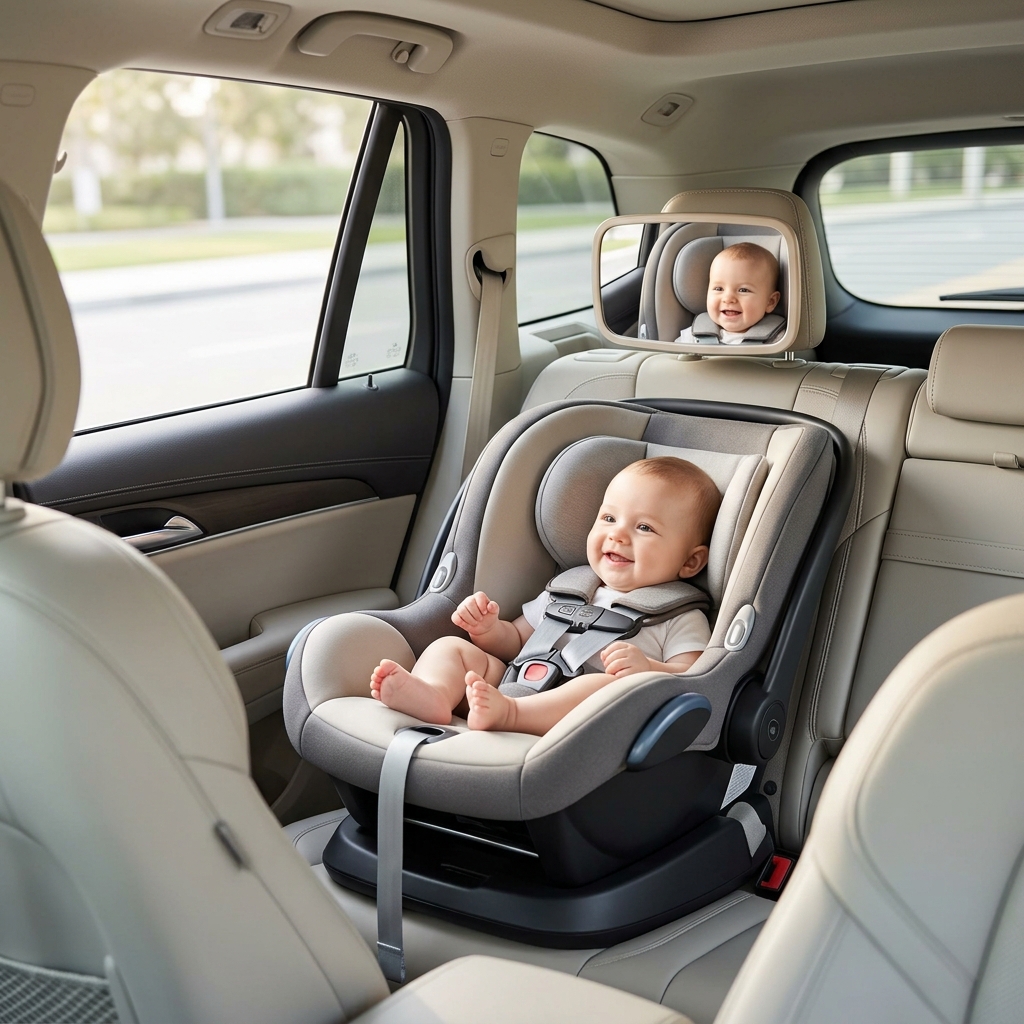
Why Are Babies More Susceptible to Car Seat Overheating?
Babies and young children have a significantly different ability to regulate their body temperature compared to adults. Several factors contribute to this vulnerability:
- Smaller Surface Area to Volume Ratio: Babies have a larger surface area relative to their body volume, meaning they absorb heat more quickly.
- Developing Sweat Glands: Infants don’t have fully developed sweat glands, limiting their ability to cool down through perspiration.
- Higher Metabolic Rate: Babies have a higher metabolic rate than adults, generating more internal heat.
- Reliance on Caregivers: Infants are entirely dependent on caregivers to recognise signs of discomfort and adjust their environment. They can’t tell you they’re too hot!
Recognising the Signs of Overheating in a Car Seat
It’s vital to be vigilant and know the warning signs of overheating. These can range from subtle to severe:
- Flushed Skin: A red or flushed appearance, particularly on the face and neck.
- Rapid Breathing: Faster than normal breathing rate.
- Irritability: Unusual fussiness or irritability.
- Lethargy: Excessive sleepiness or difficulty staying awake.
- Feeling Warm to the Touch: Their back or stomach feels unusually warm.
- More Serious Symptoms: In severe cases, overheating can lead to fever, vomiting, or even heatstroke. If you suspect heatstroke, seek immediate medical attention.
[Image Placeholder: A visual guide showing different stages of overheating symptoms on a baby’s skin and facial expressions. This image would be included in the final published version.]
The Role of Car Seat Materials & Design in Ventilation
The materials used in car seat construction play a significant role in airflow and temperature regulation. Dark-coloured fabrics absorb more heat, while lighter colours reflect it. The type of foam used also affects breathability. Dense foam retains more heat than open-cell foam. Design features are equally important. Car seats with ventilation channels built into the shell and backrest promote airflow. The overall shape of the seat can also impact ventilation; a seat that conforms closely to the child’s body may restrict airflow more than a seat with some space.
Types of Car Seat Ventilation Solutions: A 2026 Overview
In 2026, UK parents have several options to improve car seat ventilation:
- Built-in Ventilation Systems: Some car seat manufacturers now integrate ventilation systems directly into the car seat design, utilising fans or strategically placed air channels.
- Aftermarket Ventilation Fans: USB-powered fans designed to clip onto the car seat are readily available. These provide direct airflow but require a power source.
- Cooling Seat Covers: Covers made from breathable, moisture-wicking materials can help dissipate heat.
- Breathable Car Seat Liners: Liners made from bamboo, muslin, or other breathable fabrics can improve airflow and absorb moisture.
Here’s a comparison table outlining the pros and cons of each solution:
| Solution | Pros | Cons | Approximate Cost (2026) |
|---|---|---|---|
| Built-in Ventilation Systems | Convenient, integrated design, often quiet operation. | More expensive car seats, may rely on car’s AC. | £450+ |
| Aftermarket Ventilation Fans | Affordable, provides direct airflow, portable. | Requires USB power source, can be noisy. | £25 |
| Cooling Seat Covers | Relatively affordable, easy to install, improves comfort. | May not provide significant cooling in extreme heat. | £30-£60 |
| Breathable Car Seat Liners | Affordable, easy to install, improves comfort and absorption. | Limited cooling effect, requires regular washing. | £30 |
Top Car Seat Ventilation Products for UK Parents (2026)
Here are some car seat models currently available in the UK market (2026) that offer excellent ventilation features:
- Britax Römer Dualfix i-Size with Climate Control Technology – £450: This i-Size car seat features a unique climate control system with integrated ventilation channels that circulate air throughout the seat. It has a 5-star safety rating and is known for its ease of use.
- Maxi-Cosi Pearl 360 with Breathable Fabric – £320: The Pearl 360 utilises breathable, moisture-wicking fabrics and a cleverly designed ventilation system to keep your little one cool. It’s a 360-degree rotating seat for easy access.
- Joie i-Spin 360 with Ventilation System – £280: This seat offers a ventilation system within the headrest area, coupled with breathable fabrics, providing good airflow. It also boasts i-Size compliance and a rotating function.
- Mamas & Papas Aton 5 with Airflow Technology – £200: A more budget-friendly option, the Aton 5 prioritises airflow with its cleverly designed shell and breathable fabric.
Beyond Ventilation: Additional Tips to Keep Your Baby Cool
Ventilation is a crucial part of the solution, but it’s not the only step you can take:
- Pre-Cool the Car: Run the air conditioning for a few minutes before placing your baby in the car.
- Use Window Shades: Install window shades to block direct sunlight. (Window Shades for Car – UV Protection & Heat Reduction – £20)
- Dress Baby in Light Clothing: Avoid overdressing your baby. Opt for lightweight, breathable fabrics like cotton.
- Park in the Shade: Whenever possible, park in a shaded area.
- Regularly Check Baby’s Temperature: Feel the back of their neck or tummy to check for signs of overheating.
Legal Considerations and Safety Standards in the UK (2026)
Currently, UK car seat regulations don’t specifically address car seat temperature. However, the General Product Safety Regulations 2005 require all products, including car seats, to be safe for intended use. There is ongoing discussion amongst safety bodies regarding potential updates to standards in 2027 to include specific temperature testing and ventilation requirements for car seats, particularly in light of increasing concerns about heat-related injuries. Always ensure your car seat meets the latest R129 (i-Size) or R44/04 standards.
Conclusion: Prioritising Your Baby’s Comfort and Safety
Car seat overheating is a preventable danger. With warmer summers becoming the norm in the UK, prioritising ventilation and taking proactive steps to keep your baby cool is more important than ever. By understanding the risks, recognising the signs of overheating, and utilising the available solutions, you can ensure a safe and comfortable journey for your little one. Remember, a well-ventilated car seat is not just about comfort – it’s about protecting your baby’s health and wellbeing.
FAQ
Q: How often should I check my baby’s temperature while travelling?
It’s a good idea to check your baby’s temperature every 15-20 minutes, especially on warmer days. Feel the back of their neck or tummy to assess if they’re getting too warm.
Q: Is it safe to use a car seat fan if my car doesn’t have air conditioning?
Yes, a car seat fan can provide some relief, but it’s important to ensure it’s securely attached and doesn’t blow directly into the baby’s face. A combination of a fan, breathable fabrics, and parking in the shade is ideal.
Q: What fabrics are best for keeping my baby cool in a car seat?
Lightweight, breathable fabrics like cotton, linen, and bamboo are excellent choices. Avoid synthetic materials like polyester, which can trap heat.
Q: Will window tints help reduce car seat temperatures?
Yes, window tints can help reduce the amount of sunlight entering the car, but they should comply with UK regulations regarding tint darkness. Combining window tints with window shades provides optimal heat reduction.
Q: What should I do if I suspect my baby is overheating?
Immediately stop the car in a safe location, remove the baby from the car seat, and cool them down by offering a cool drink (if age-appropriate), fanning them, and applying a cool, damp cloth to their forehead and neck. If symptoms are severe, seek medical attention immediately.