Teething is a significant milestone in a baby’s development, but it can also be a challenging time for both baby and parents. Sore gums, irritability, and endless drooling are all common symptoms. Finding the right teether can make all the difference in providing comfort and relief. This guide, updated for 2026, will navigate you through the world of baby teethers available in the UK, helping you choose the perfect option for your little one. We’ll look at materials, stages, and safety, and offer our top picks based on current reviews and expert recommendations.
As an Amazon Associate, we earn from qualifying purchases. This means we may receive a small commission at no extra cost to you when you buy through links on this page.
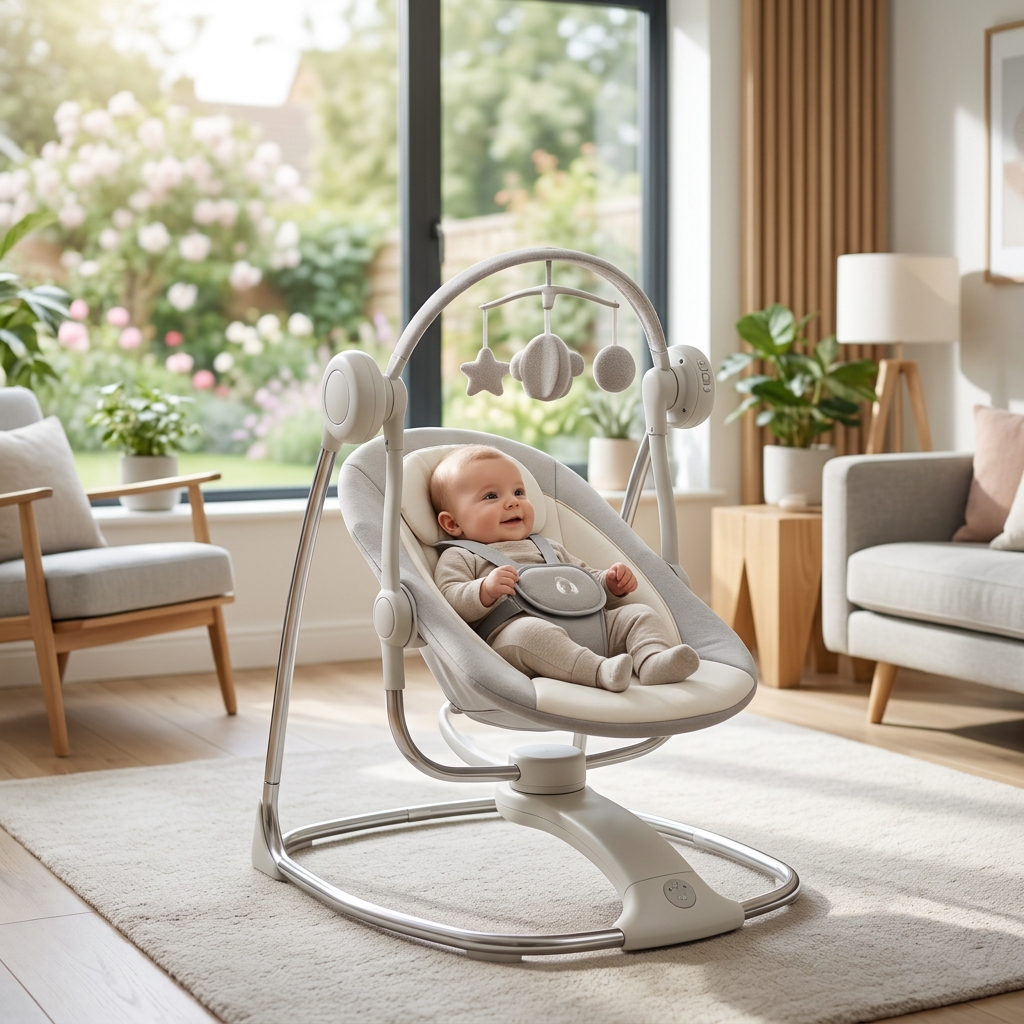
Table of Contents
Understanding Teething: What to Expect
Teething typically begins around 6 months, although some babies start earlier or later. The first teeth to emerge are usually the lower central incisors. Symptoms can include increased drooling, chewing on everything, irritability, swollen and tender gums, and a slight temperature. It’s important to remember that every baby is different, and the experience will vary. While teething can be uncomfortable, it’s a natural process. Don’t hesitate to consult your GP or health visitor if you have any concerns about your baby’s wellbeing during this time.
What to Look for in a Baby Teether
When choosing a teether, several factors should be considered:
- Material Safety: Look for teethers that are BPA-free, phthalate-free, and PVC-free. These chemicals can be harmful to your baby.
- Texture: Different textures can provide varied sensory stimulation and relief. Some babies prefer smooth surfaces, while others like ribbed or bumpy textures.
- Size and Shape: Choose a teether that is easy for your baby to grasp and manipulate. Consider the size – it should be large enough to avoid being a choking hazard.
- Hygiene: The teether should be easy to clean. Some can be sterilised, while others can be washed in the dishwasher.
- Developmental Stage: Different teethers are suitable for different stages of teething. Early teething requires smaller, easier-to-mouth items, while later stages benefit from teethers that reach back gums.
Types of Baby Teethers: A Comprehensive Guide
Solid Wood Teethers
Pros: Natural, durable, sustainable, often aesthetically pleasing. A classic choice.
Cons: Can be harder for some babies to chew, may splinter if not well-finished, requires regular cleaning and oiling to maintain.
Silicone Teethers
Pros: Soft and gentle on gums, easy to clean, available in various shapes and colours, often dishwasher safe.
Cons: Quality varies, some silicone may contain fillers, can attract dust.
Water-Filled Teethers
Pros: Can be chilled in the fridge to provide soothing cooling relief, soft and pliable.
Cons: Potential for leaks, may not be as durable as solid teethers.
Gel Teethers
Pros: Similar to water-filled, providing cooling relief.
Cons: Concerns about the gel leaking and potential toxicity. Generally less recommended.
Knitted/Fabric Teethers
Pros: Soft and comforting, often attractive designs, can be machine washable.
Cons: Can become soggy and harbour bacteria if not dried properly, may not provide enough resistance for effective teething relief.
Combination Teethers
Pros: Offer a variety of textures and materials, catering to different preferences.
Cons: Can be more complex to clean, may not excel in any single area.
Top 5 Best Overall Baby Teethers (UK 2026)
Based on extensive research and user feedback, here are our top 5 picks for the best baby teethers in the UK for 2026:
| Product Name | Price (GBP) | Pros | Cons | Where to Buy |
|---|---|---|---|---|
| Sophie la Girafe Teether | 14.99 | Classic design, easy for baby to grasp, stimulates senses, made from 100% natural rubber and paint. | Can be difficult to clean completely, relatively expensive. | Amazon UK, Boots, John Lewis |
| Vulli Freshtex Teething Ring | 9.99 | Lightweight, easy to hold, textured surface, hygienic freshtex material. | May not provide enough resistance for strong biters. | Amazon UK, Boots |
| Hevea Natural Rubber Teether | 12.50 | 100% natural rubber, biodegradable, soft and gentle on gums, free from harmful chemicals. | Can have a slight rubber smell initially. | Independent Baby Boutiques, Online Specialists |
| Nuby Teethe-eez Teether with Bristles | 7.99 | Affordable, textured bristles massage gums, easy to clean. | Bristles may wear down over time. | Amazon UK, Boots |
| Munchkin Twisty Figure 8 Teether | 6.49 | Easy to grasp, multiple textures, cost-effective, dishwasher safe. | Plastic material, may not be as durable as rubber or wood. | Amazon UK, Boots |
Best Teethers for Different Stages of Teething
- 3-6 Months (Early Teething): Vulli Freshtex Teething Ring – lightweight and easy for small hands to manage.
- 6-12 Months (Peak Teething): Sophie la Girafe Teether – its shape and texture are ideal for this stage.
- 12+ Months (Molars): Manhattan Toy Skwish Classic Rattle and Teether Grasping Activity Toy – its size and varied textures reach back gums effectively.
Best Natural & Organic Baby Teethers
For parents seeking eco-friendly options, these teethers are excellent:
- Hevea Natural Rubber Teether: Made from 100% natural rubber, sourced sustainably.
- Sophie la Girafe Teether: Utilises natural rubber and paint.
- Look for teethers made from organic cotton or beech wood sourced from sustainable forests.
Best Teethers for Sore Gums & Inflammation
When gums are particularly inflamed, cooling teethers offer the most relief:
- Water-Filled Teethers: Chilled in the fridge (not freezer!), they provide gentle, soothing relief.
- Teethers with textured surfaces: The Nuby Teethe-eez Teether with Bristles can gently massage gums.
Teether Safety & Hygiene: Important Tips
- Regular Cleaning: Clean teethers after each use with warm, soapy water. Sterilise silicone and rubber teethers regularly, following manufacturer’s instructions.
- Check for Damage: Inspect teethers for cracks, tears, or loose parts. Discard damaged teethers immediately.
- Choking Hazard: Ensure the teether is large enough to prevent choking.
- Supervision: Always supervise your baby while they are using a teether.
- Avoid Freezing: Do not freeze gel or water-filled teethers, as this can damage them and make them too hard.
Where to Buy Baby Teethers in the UK
- Amazon UK: Wide selection, competitive prices.
- Boots: Convenient, reliable brands, often offer promotions.
- John Lewis: High-quality products, excellent customer service.
- Independent Baby Boutiques: Offer unique and specialist teethers.
- Online Specialists: Websites dedicated to baby products, often carry organic and eco-friendly options.
Frequently Asked Questions (FAQs) About Baby Teethers
Q: When should I start using a teether?
A: You can start offering a teether when you notice signs of teething, usually around 4-6 months. Even if no teeth have broken through, if your baby is showing signs of gum discomfort, a teether might help.
Q: How often should I clean my baby’s teether?
A: Clean the teether after each use with warm, soapy water. Sterilise silicone and rubber teethers regularly, especially if your baby is prone to illness.
Q: Is it safe to freeze a teether?
A: No, freezing a gel or water-filled teether is not recommended. It can cause the teether to become brittle and potentially leak. You can chill it in the fridge instead.
Q: My baby isn’t interested in teethers. What should I do?
A: Every baby is different! Try different textures, shapes, and materials. Some babies prefer cold teethers; others prefer room temperature. You can also try gently massaging your baby’s gums with a clean finger.
Q: How long should I continue to use teethers?
A: You can continue to offer teethers as long as your baby finds them comforting, even after all their teeth have erupted. They can provide sensory stimulation and help with oral exploration.