
Are you searching for the best cot mattress for your little one, particularly if they suffer from allergies? Choosing the right mattress can significantly impact your baby’s comfort and health. This guide will help you navigate the options available in the UK market in 2026, considering common allergies and the materials that can help minimise irritation. We’ll cover everything from understanding allergy triggers to choosing the best mattress protector.
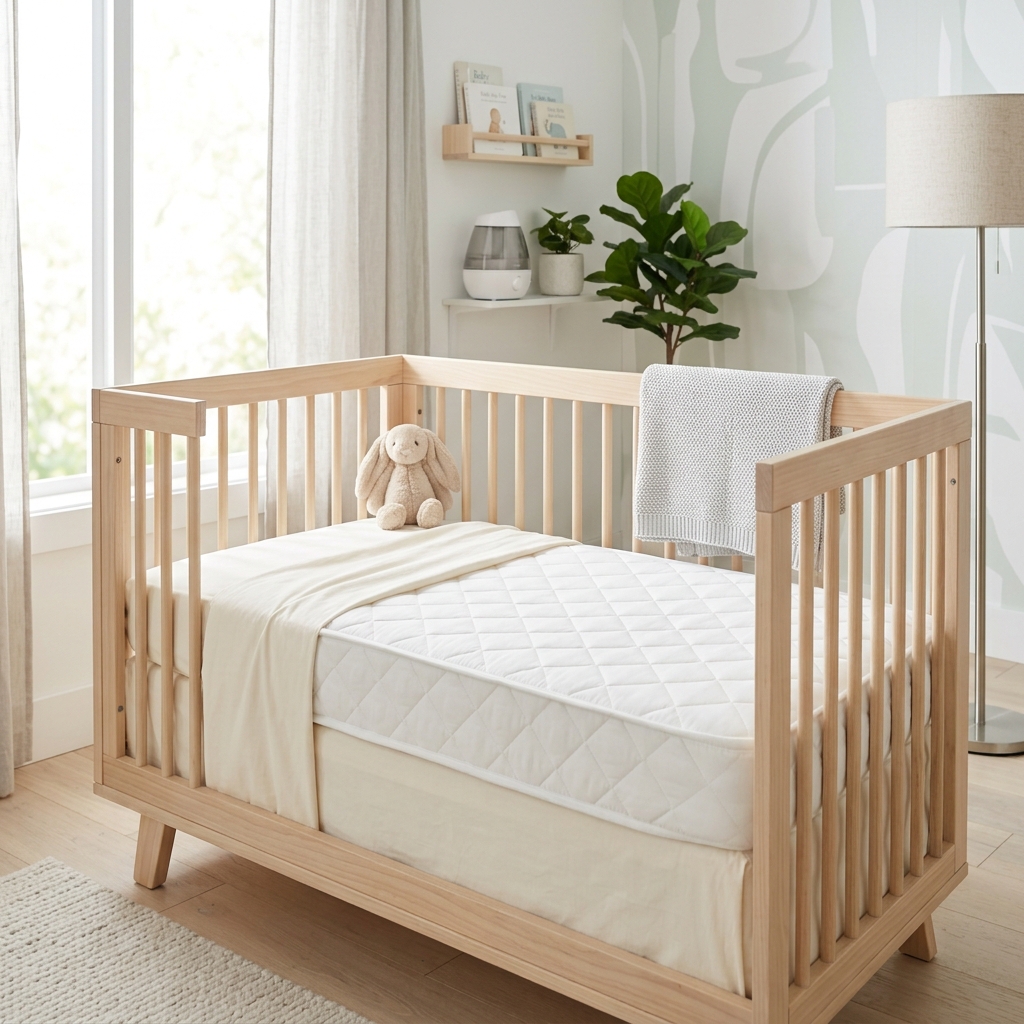
Table of Contents
Understanding Baby Allergies & Cot Mattresses
Babies are particularly susceptible to allergies, with common triggers including dust mites, latex, and chemical sensitivities. Dust mites thrive in warm, humid environments – making mattresses a prime breeding ground. Latex allergies, while less common, can cause skin reactions and respiratory issues. Furthermore, some babies may be sensitive to the chemicals used in mattress manufacturing, such as volatile organic compounds (VOCs).
Cot mattresses can contribute to these allergic reactions if they aren’t made with hypoallergenic materials. Hypoallergenic mattresses are designed to minimise allergen exposure, often through the use of natural materials and tightly woven fabrics. Mattress construction also plays a role; a more breathable mattress can help regulate temperature and reduce humidity, discouraging dust mite growth.
Key Materials to Look For (and Avoid)
The material composition of a cot mattress is the most crucial factor when considering allergies. Here’s a breakdown of common materials:
Natural Latex
Pros: Naturally hypoallergenic, dust mite resistant, breathable, durable, and provides good support. Often sourced sustainably.
Cons: Can be expensive. Some babies may have a latex allergy (though rare). Look for mattresses made with 100% natural latex, not blended latex.
Organic Cotton
Pros: Soft, breathable, and grown without harmful pesticides or chemicals. A good choice for babies with sensitive skin.
Cons: Offers less support than latex or sprung mattresses. Usually used as a covering rather than the core material.
Memory Foam
Pros: Provides excellent pressure relief and conforms to the baby’s body.
Cons: Can retain heat, leading to increased humidity and potential dust mite growth. Often contains chemicals that some parents prefer to avoid. Look for CertiPUR-US certified memory foam to ensure it’s low in VOCs, though this certification isn’t as common in the UK. It’s generally not the best choice for allergy sufferers.
Open Coil Springs
Pros: Affordable, provides good support.
Cons: Can be less comfortable than other options and doesn’t offer as much pressure relief. Springs can allow dust mites to accumulate within the mattress.
Pocket Sprung
Pros: Individual springs offer better support and minimise motion transfer. Provides a more comfortable sleep surface than open coil.
Cons: More expensive than open coil. Similar to open coil, dust mites can accumulate within the mattress.
Certifications: Look for mattresses with certifications like Oeko-Tex Standard 100. This certification ensures the fabric has been tested for harmful substances and is safe for human health. It’s a strong indicator of a hypoallergenic product.
Top Cot Mattress Picks for Allergy Sufferers (UK – 2026)
Here’s a selection of cot mattresses suitable for allergy sufferers, categorised by budget:
Budget-Friendly (£80 – £130)
Silentnight Safe Nights Cot Mattress – £79.99: A popular, affordable option. Features a durable, wipe-clean cover. While not specifically marketed as hypoallergenic, the simple construction limits dust mite harbourage.
Pros: Affordable, easy to clean, readily available.
Cons: Basic comfort, may not be suitable for all babies. Not specifically hypoallergenic.
Little Sleepy Head Hypoallergenic Cot Mattress – £99.99: A budget-friendly option that specifically advertises hypoallergenic properties. Features a breathable cover.
Pros: Affordable, hypoallergenic claims, breathable cover.
Cons: May not be as durable as higher-end options.
Mid-Range (£130 – £250)
BabyRest Hypoallergenic Cot Mattress – £129.99: A pocket sprung mattress with a hypoallergenic cover. Offers a good balance of support and comfort.
Pros: Pocket sprung for good support, hypoallergenic cover, breathable.
Cons: Pocket springs can still harbour dust mites over time.
Premium (£250+)
Naturalmat Organic Latex Cot Mattress – £249.99: Made with 100% natural latex, organic cotton, and wool. Certified organic and hypoallergenic.
Pros: Naturally hypoallergenic, breathable, durable, sustainable, Oeko-Tex certified.
Cons: Most expensive option.
| Mattress | Material | Price (£) | Hypoallergenic Features |
|---|---|---|---|
| Silentnight Safe Nights | Open Coil Springs, PVC Cover | 79.99 | Simple construction limits dust mite harborage |
| BabyRest Hypoallergenic | Pocket Sprung, Hypoallergenic Cover | 129.99 | Hypoallergenic cover, Breathable |
| Naturalmat Organic Latex | 100% Natural Latex, Organic Cotton & Wool | 249.99 | Naturally hypoallergenic, Oeko-Tex certified |
| Little Sleepy Head Hypoallergenic | Foam, Hypoallergenic Cover | 99.99 | Hypoallergenic claims, Breathable Cover |
Mattress Protectors: An Essential Layer
Even with a hypoallergenic mattress, a waterproof and hypoallergenic mattress protector is crucial. It acts as a barrier against dust mites, allergens, and spills. Look for protectors that are breathable to prevent overheating.
Dreamland Waterproof Mattress Protector – £24.99: A basic, affordable waterproof protector.
Pros: Affordable, waterproof.
Cons: May not be as breathable as more expensive options.
Clairval Waterproof & Breathable Mattress Protector – £34.99: Features a polyurethane membrane for waterproof protection while remaining breathable.
Pros: Waterproof, breathable, hypoallergenic.
Cons: Slightly more expensive than basic protectors.
Red Castle Pure Cotton Mattress Protector – £49.99: Made with 100% cotton with a waterproof layer. Offers excellent breathability and absorbency.
Pros: Breathable, absorbent, hypoallergenic, comfortable.
Cons: Most expensive option.
Cleaning & Maintenance Tips for Allergy Control
Regular cleaning and maintenance are vital for allergy control:
- Vacuum Regularly: Vacuum the mattress surface at least once a month with a HEPA filter vacuum cleaner.
- Air Regularly: Air the mattress for a few hours every few months to remove moisture and freshen it up.
- Wash Mattress Protector Frequently: Wash the mattress protector at least every two weeks in hot water (60°C or higher) to kill dust mites.
- Address Spills Immediately: Clean up any spills immediately to prevent mould and mildew growth.
- Consider Dust Mite Covers: For extreme allergy sufferers, consider using a dedicated dust mite cover underneath the mattress protector.
Frequently Asked Questions (FAQs)
Q: Is memory foam okay for allergies?
A: Generally, memory foam isn’t the best choice for allergy sufferers. It can trap heat and moisture, creating a favourable environment for dust mites. Furthermore, some memory foams contain chemicals that can be irritating.
Q: How often should I replace a cot mattress?
A: It’s recommended to replace a cot mattress after 5 years, or sooner if it shows signs of wear and tear or if your baby develops allergies. Even with good care, mattresses accumulate dust mites over time.
Q: What are dust mite covers?
A: Dust mite covers are specially designed encasements for mattresses and pillows that are tightly woven to prevent dust mites from entering or escaping. They provide an extra layer of protection for allergy sufferers.
Q: Is organic cotton always hypoallergenic?
A: While organic cotton is grown without harmful chemicals, it’s not inherently hypoallergenic in the same way as latex. It’s a good choice for sensitive skin due to the absence of irritants, but it doesn’t necessarily repel dust mites.
Q: Can I sun dry my cot mattress?
A: Yes, airing a cot mattress in direct sunlight can help kill dust mites and freshen it up. However, be careful not to expose the mattress to prolonged, intense sunlight, as it can damage some materials. Only do this if the manufacturer’s instructions allow it.