Table of Contents
As an Amazon Associate, we earn from qualifying purchases. This means we may receive a small commission at no extra cost to you when you buy through links on this page.
Introduction: Why Choose Natural Rubber Teethers?
As parents become increasingly aware of the materials their little ones put in their mouths, the demand for safe and natural baby products has soared in 2026. Natural rubber teethers have emerged as a popular choice, offering a compelling alternative to traditional plastic and silicone options. Unlike many plastic teethers, natural rubber is inherently BPA-free, phthalate-free, and PVC-free – concerns that continue to drive consumer choices. Beyond safety, natural rubber provides a superior sensory experience for babies. The soft, pliable texture is gentle on sensitive gums, and the natural rubber itself has a slight elasticity that babies find comforting. Furthermore, natural rubber is a renewable resource, making it a more eco-friendly option, aligning with growing environmental consciousness.
What to Look for in a Baby Teether (2026 Buying Guide)
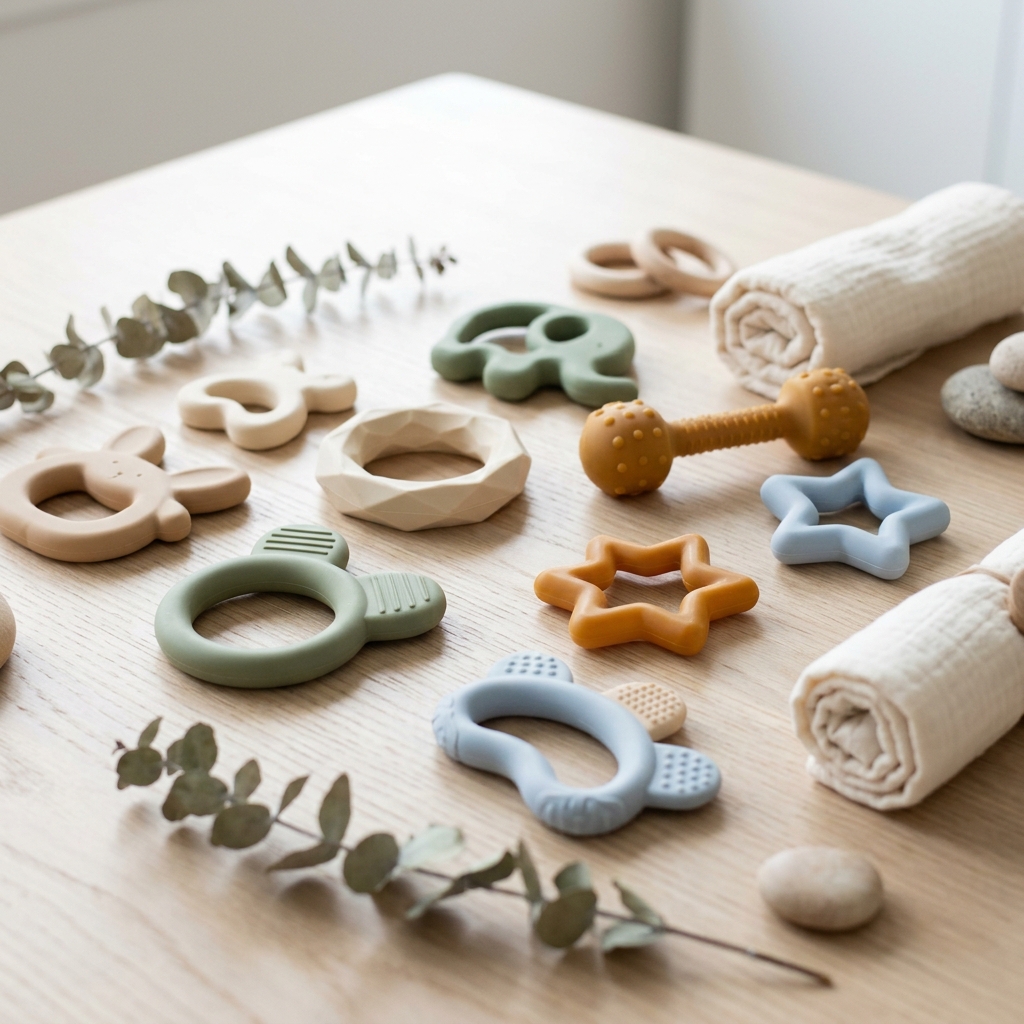
Choosing the right teether can feel overwhelming. Here’s a breakdown of the key features to consider in 2026:
- Material Quality: Look for 100% natural rubber, ideally from sustainably managed sources. Ensure it’s food-grade and doesn’t contain any added chemicals, dyes, or fragrances.
- Shape & Design: Consider a teether that’s easy for small hands to grip. Designs with multiple textures and surfaces are excellent for stimulating different areas of the mouth. Teethers that reach back teeth are particularly useful as teething progresses.
- Size: The size of the teether should be appropriate for your baby’s age and development. Avoid small parts that could pose a choking hazard.
- Texture: Varying textures – smooth, bumpy, ribbed – can provide different sensations and help soothe sore gums.
- Safety Certifications: In 2026, look for teethers that comply with the latest EN 71 safety standards, ensuring they’ve been rigorously tested for toxicity and durability. Manufacturers should be transparent about their testing processes.
- Cleaning Instructions: Easy-to-clean teethers are essential for maintaining hygiene. Ensure the teether can be thoroughly washed and disinfected.
- Age Appropriateness: Teethers are often labelled with an age range. Choose a teether appropriate for your baby’s developmental stage.
Recent updates to safety regulations in 2026 emphasize the importance of traceability in the supply chain for natural rubber, ensuring its origin and purity. Consumers are also increasingly looking for products with detailed material composition information.
Top 5 Natural Rubber Baby Teethers – Our 2026 Picks
1. Sophie la Girafe Teether
Price: £16.99
Age Range: 4+ months
The iconic Sophie la Girafe remains a popular choice for its distinctive shape and soft texture. Made from 100% natural rubber and natural pigments, it’s designed to stimulate all of baby’s senses.
Pros:
- Classic and well-recognised
- Stimulates senses
- Made from 100% natural rubber
- Easy to grip
Cons:
- Can develop a slight odour with repeated use
- Some reports of the paint wearing off (though modern versions are improved)
- Relatively expensive
2. Hevea Natural Rubber Teether
Price: £12.99
Age Range: 3+ months
Hevea offers a range of natural rubber teethers, known for their simple, functional designs. This teether is made from 100% natural rubber tapped from Hevea trees.
Pros:
- Fully biodegradable
- Simple, classic design
- Durable and long-lasting
- Good value for money
Cons:
- Less visually stimulating than some other options
- May be too firm for very young babies
3. Matchstick Monkey Teether
Price: £14.50
Age Range: 3+ months
Designed to be held like a bottle, the Matchstick Monkey teether features a unique shape that allows babies to easily reach all areas of their mouth. Made from 100% natural rubber.
Pros:
- Easy for babies to hold independently
- Reaches back teeth well
- Cute and appealing design
Cons:
- Can be tricky to clean thoroughly
- Some users report it doesn’t hold baby’s attention for long
4. Mushie Bloom Teether
Price: £18.00
Age Range: 3+ months
The Mushie Bloom Teether features a beautiful floral design and is made from 100% natural rubber. It combines aesthetics with functionality, offering a gentle teething experience.
Pros:
- Visually appealing design
- Soft and pliable texture
- Easy to grasp
Cons:
- More expensive than some alternatives
- May not be as durable as other options
5. PlanToys Natural Rubber Teether
Price: £19.99
Age Range: 6+ months
PlanToys is known for its sustainable wooden toys, and their natural rubber teether continues that ethos. Made from Hevea wood and natural rubber, it offers a unique combination of textures.
Pros:
- Sustainable and eco-friendly
- Unique combination of wood and rubber
- Encourages fine motor skills
Cons:
- More complex design can be harder to clean
- Best suited for older babies with more developed motor skills
Sophie la Girafe vs. Alternatives: Is It Still the Best?
Sophie la Girafe has long been a staple in nurseries across the UK. However, newer options offer compelling alternatives. While Sophie’s iconic design and sensory stimulation are appealing, its relatively high price and occasional reports of paint wear have led some parents to explore other options. Alternatives like the Hevea teether offer comparable safety and durability at a lower price point. The Matchstick Monkey teether excels at reaching back teeth, a feature Sophie lacks. Ultimately, “best” is subjective and depends on your baby’s individual needs and preferences. Sophie remains a good option, but is no longer the undisputed champion.
Teething Stages & Choosing the Right Teether
- 0-3 Months: Babies at this stage are primarily exploring with their mouths. Soft, simple teethers like the Hevea Natural Rubber Teether are ideal.
- 4-6 Months: Teething pain often begins during this stage. Teethers with multiple textures, such as the Sophie la Girafe, can provide varied stimulation.
- 7+ Months: As babies develop more dexterity, teethers that are easy to hold independently, like the Matchstick Monkey, become beneficial. Teethers that reach back teeth are also useful.
Cleaning & Caring for Your Natural Rubber Teether
Proper cleaning is crucial to prevent the growth of mould and bacteria. Here’s how to care for your natural rubber teether:
- Daily Cleaning: Wash the teether with warm, soapy water. Use a soft brush to reach all crevices.
- Disinfection: Occasionally, sterilise the teether by boiling for 5 minutes or using a steam steriliser (check manufacturer’s instructions).
- Drying: Ensure the teether is completely dry before storing to prevent mould growth.
- Storage: Store the teether in a clean, dry place, away from direct sunlight.
Regularly inspect the teether for any signs of damage, such as cracks or tears. Replace the teether if it shows any signs of deterioration.
Frequently Asked Questions (FAQs)
- Are natural rubber teethers durable? Yes, natural rubber is surprisingly durable, though it can be punctured by particularly enthusiastic biters. Look for teethers made from thicker rubber for increased longevity.
- Are they safe for babies who bite hard? While natural rubber is safe, even with hard biting, always inspect the teether regularly for any damage. If it’s punctured, replace it.
- Where can I buy natural rubber teethers in the UK? Major retailers like John Lewis, Boots, and Amazon stock a variety of natural rubber teethers. Specialist baby shops and online retailers also offer a wide selection.
- What if my baby doesn’t like the feel of natural rubber? Every baby is different! If your baby rejects a natural rubber teether, try a different shape, texture, or material.
- Do natural rubber teethers have a smell? A slight rubber smell is normal, especially when new. This typically dissipates with washing and use.
Conclusion: Finding the Perfect Teether for Your Little One
Choosing the right teether is a personal decision. Natural rubber teethers offer a safe, eco-friendly, and sensory-rich option for soothing sore gums. Consider your baby’s age, developmental stage, and individual preferences when making your choice. Remember to prioritize safety, hygiene, and durability. By carefully evaluating the options available, you can find the perfect teether to help your little one navigate the often-challenging world of teething.