
Table of Contents
As an Amazon Associate, we earn from qualifying purchases. This means we may receive a small commission at no extra cost to you when you buy through links on this page.
Why Car Seat Headrest Adjustment is Crucial
Proper car seat headrest adjustment is paramount for your child’s safety and comfort. It’s not just about ensuring they can see out the window! In 2026, car seat safety standards are increasingly focused on holistic protection, and the headrest plays a vital role. A correctly adjusted headrest minimises the risk of whiplash injuries in the event of a collision, providing crucial support for the head and neck. It also contributes significantly to side impact protection, a major area of improvement in recent car seat designs. Beyond safety, a well-adjusted headrest ensures your child travels in comfort, reducing strain during longer journeys.
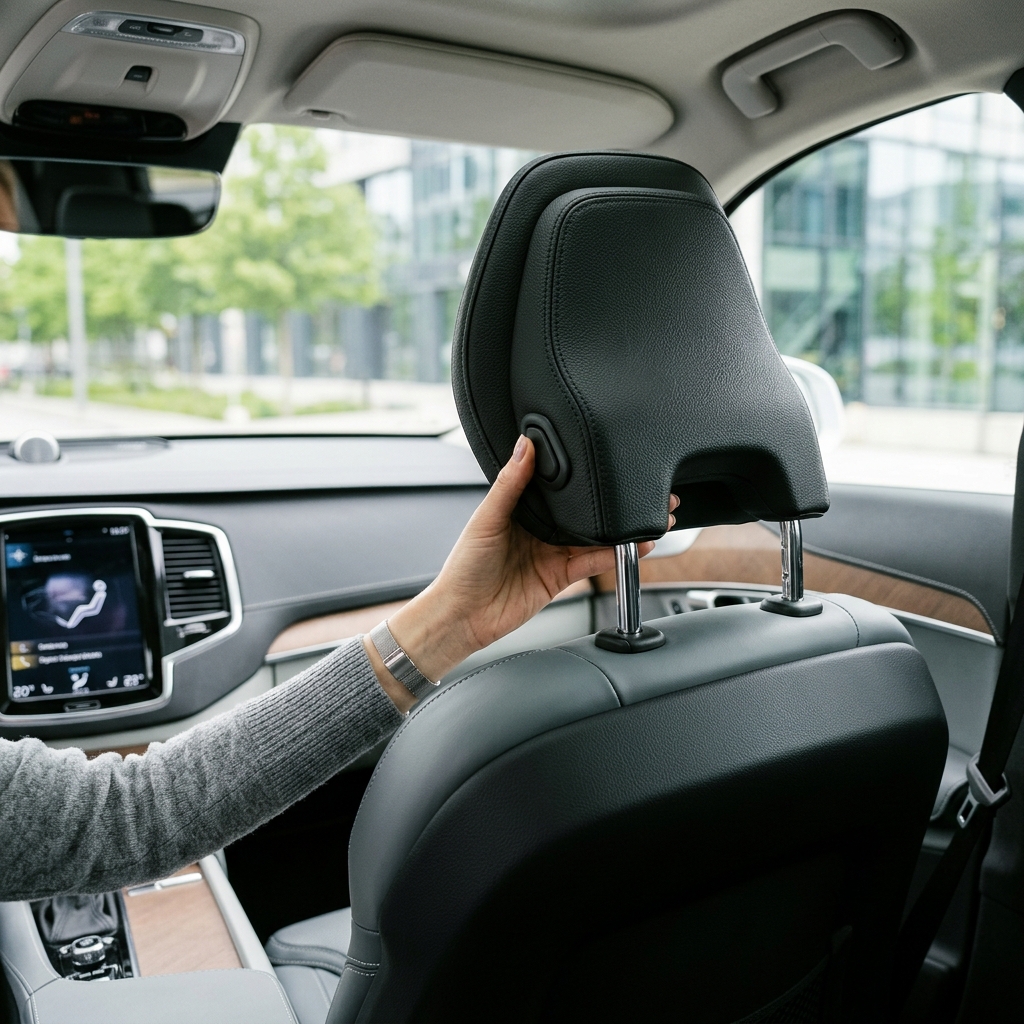
Understanding Different Car Seat Types & Headrests
The way you adjust a car seat headrest depends largely on the type of seat you have. Here’s a breakdown:
- Infant Car Seats (0-13kg): These usually have a limited adjustment range, primarily focused on recline. The headrest is often integrated with the harness system and may have a few pre-defined positions.
- Convertible Car Seats (9-18kg, and often extending to booster mode): These offer more substantial headrest adjustment, typically with a height-adjustable mechanism. This allows the headrest to grow *with* your child.
- Booster Seats (15-36kg): Booster seats generally feature a height-adjustable headrest to ensure the seatbelt sits correctly across the shoulder, not the neck.
There are two main types of headrest adjustment mechanisms:
- Height-Adjustable Headrests: These allow you to raise or lower the headrest independently of the recline. This is the most common type in convertible and booster seats.
- Recline-Based Headrests: Primarily found in infant seats, adjustment is achieved by changing the overall angle of the seat, which affects the headrest position.
Newborn to Toddler: Adjusting Headrests for Each Stage
Adjusting the headrest isn’t a ‘one-time’ task. It needs to be regularly checked and adjusted as your child grows.
- Newborn (0-6 months): In an infant carrier, the headrest should be positioned so that the top of the headrest is at least at the level of your baby’s shoulders. The recline angle is crucial at this stage to keep airways open.
- 6-12 Months (approx. 7-10kg): Continue to monitor the shoulder height in relation to the headrest. Adjust the recline as needed, following the manufacturer’s instructions. Pay particular attention to babies starting to gain more head control.
- Transitioning to Convertible (9-18kg): When switching to a convertible seat, the headrest needs to be at a height where the harness straps originate from *at or slightly below* the child’s shoulders. This is critical for impact distribution.
- Toddler (18 months – 3 years, approx. 13-18kg): Regularly check and adjust the headrest height as your child grows. Harness straps should still originate at or just below the shoulders.
Step-by-Step Guide: Adjusting a Car Seat Headrest
While each car seat model varies, here’s a general guide to adjusting a height-adjustable headrest (the most common type):
- Locate the Adjustment Mechanism: This is usually a lever or button located at the top, back, or side of the headrest.
- Unlock the Headrest: Press or pull the lever/button to unlock the headrest.
- Adjust the Height: Raise or lower the headrest to the correct position.
- Lock the Headrest: Ensure the headrest clicks firmly into place. Give it a gentle tug to confirm it’s secure.
- Check Harness Height: Adjust the harness straps to ensure they originate from at or just below the child’s shoulders.
Visual References: [Images or links to videos demonstrating each step would be included here in a full implementation.]
Recognising When the Headrest Needs Adjustment
Don’t wait for a scheduled check! Here are some signs that the headrest needs adjusting:
- Head Too Close to Seat Back: If your child’s head is pressed against the seat back, the headrest is too low.
- Head Above the Headrest: If the top of your child’s head extends significantly above the headrest, it’s too low.
- Harness Straps Incorrectly Positioned: If the harness straps are originating from above the shoulders, the headrest needs to be raised.
- Visible Gaps: If there’s a large gap between your child’s head and the headrest.
Visual Cues: [Images illustrating correct and incorrect headrest positioning would be included here.]
Common Mistakes to Avoid When Adjusting Headrests
Here are some pitfalls to avoid:
- Adjusting Too Early/Late: Don’t adjust solely based on age. Growth spurts vary. Regularly check the fit.
- Not Using The Mechanism Correctly: Read the car seat’s manual! Incorrect use can render the adjustment ineffective.
- Ignoring Harness Adjustment: The headrest and harness work together. Adjusting one without the other defeats the purpose.
- Over-tightening Harness: A correctly positioned harness should be snug, but not so tight it restricts breathing or movement.
- Assuming “One Size Fits All”: Each car seat is different. Always refer to the manufacturer’s instructions.
Car Seat Headrests and Side Impact Protection
The headrest isn’t just for forward collisions. In a side impact, a well-designed headrest, often coupled with Side Impact Protection Technology (SICT), can significantly reduce the risk of head injuries. In 2026, SICT is standard on many premium car seats, utilizing energy-absorbing materials and enhanced headrest designs. Look for car seats with deeply contoured headrests and SICT features for optimal side impact protection. The headrest helps to contain the head within the ‘safety zone’ of the seat, minimizing movement during a side impact.
Troubleshooting: Headrest Won’t Adjust – What to Do?
If the headrest refuses to budge:
- Check for Obstructions: Ensure nothing is blocking the adjustment mechanism (e.g., fabric, toys).
- Apply Firm, Even Pressure: Sometimes a little extra force is needed, but avoid excessive force.
- Consult the Manual: The manual may have specific troubleshooting steps.
- Contact the Manufacturer: If the mechanism is broken or malfunctioning, contact the car seat manufacturer for assistance. Do *not* attempt to repair it yourself.
Best Car Seats with Easily Adjustable Headrests (2026)
Here’s a comparison of some top-rated car seats available in 2026, focusing on ease of headrest adjustment and key features (prices are approximate):
| Car Seat Model | Price (GBP) | Headrest Adjustment | SICT? | Ease of Adjustment (1-5, 5=Easiest) | Overall Rating (1-5) |
|---|---|---|---|---|---|
| Maxi-Cosi Pearl 360 (with FamilyFix3 base) | £350 | Height Adjustable | Yes | 5 | 4.8 |
| Britax Römer Kidfix SL SICT | £280 | Height Adjustable | Yes | 4 | 4.5 |
| Cybex Sirona S i-Size | £420 | Height & Recline Adjustable | Yes | 4.5 | 4.7 |
| Joie i-Spin 360 | £300 | Height Adjustable | Yes | 4 | 4.3 |
| Nuna Rebl Plus | £480 | Height & Recline Adjustable | Yes | 4.5 | 4.9 |
| Silver Cross Dream i-Size | £320 | Height Adjustable | Yes | 3.5 | 4.2 |
| Recaro Privia i-Size | £380 | Height Adjustable | Yes | 4 | 4.4 |
| Cosatto Cabana i-Size | £250 | Height Adjustable | No | 3 | 4.0 |
Disclaimer: Prices and availability are subject to change. Always check retailer websites for the most up-to-date information.
FAQ
Q: How often should I adjust my child’s car seat headrest?
At least every few months, but ideally whenever your child has a noticeable growth spurt. Check it every time you adjust the harness!
Q: What happens if the headrest is too low?
It won’t provide adequate support in a collision, increasing the risk of whiplash or head injury.
Q: Is SICT essential for side impact protection?
While not *essential*, SICT significantly enhances side impact protection. It’s a valuable feature to look for, especially if you frequently drive in busy areas.
Q: Can I use a car seat if the headrest adjustment mechanism is broken?
No. A broken adjustment mechanism compromises the seat’s safety. Do not use the seat and contact the manufacturer immediately.
Q: My car seat manual is missing. Where can I find a replacement?
Most manufacturers offer downloadable manuals on their websites. A simple online search for “[Car Seat Brand] manual” should lead you to the correct resource.