
Table of Contents
As an Amazon Associate, we earn from qualifying purchases. This means we may receive a small commission at no extra cost to you when you buy through links on this page.
Introduction: Why Choosing the Right Cot Mattress Matters
Bringing a new baby home is a joyous occasion, and ensuring their safety and comfort is paramount. A crucial element often overlooked is the cot mattress. Beyond just providing a comfortable sleeping surface, the right cot mattress significantly contributes to your baby’s healthy development and can even reduce the risk of Sudden Infant Death Syndrome (SIDS). A firm, well-fitting mattress promotes good spinal alignment and allows for proper breathing. In 2026, we anticipate further updates to UK safety regulations focusing on enhanced breathability standards and stricter controls on chemical emissions from mattress materials, making informed choices even more vital.
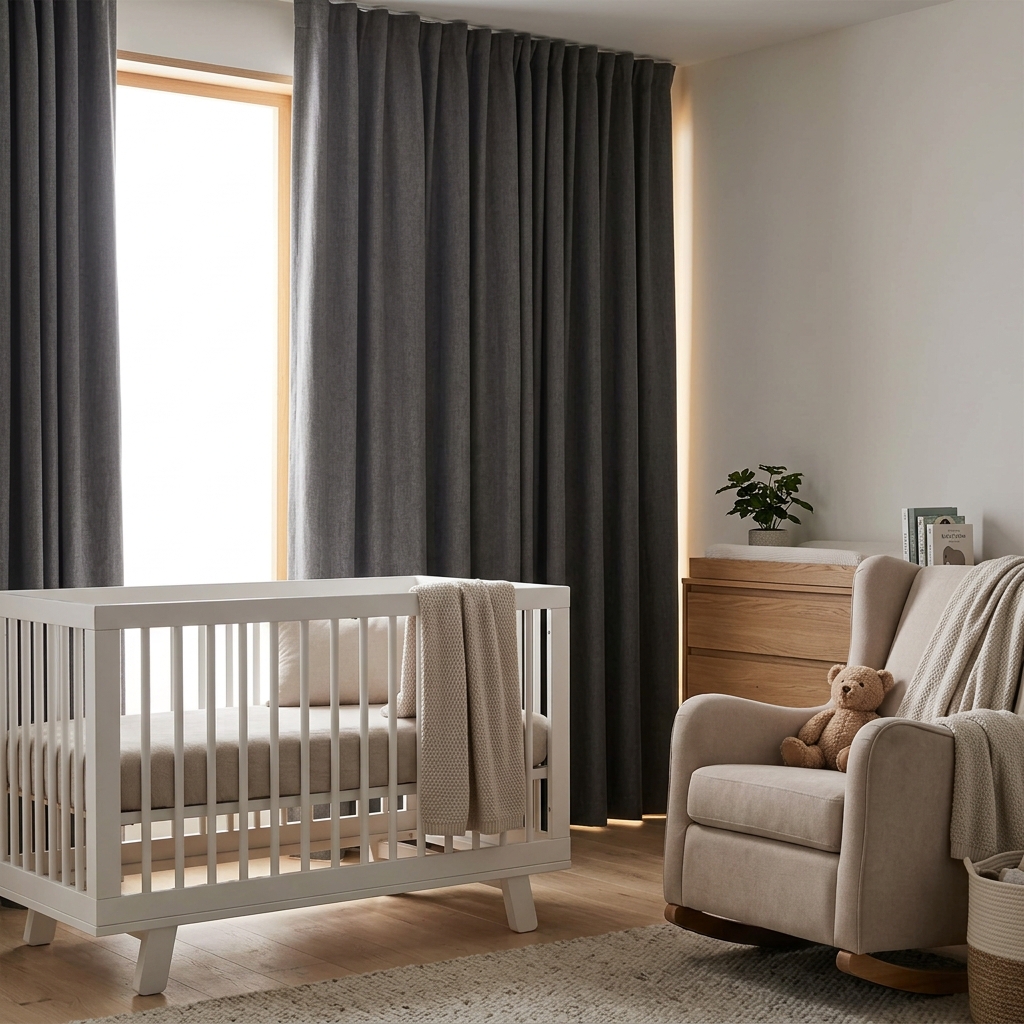
Cot Mattress Sizes: A UK Guide
Understanding cot mattress sizes is the first step in finding the perfect fit. Here’s a breakdown of the most common sizes in the UK:
- 60 x 90cm: This is the most traditional and still very common size, often found in older or smaller cots.
- 70 x 140cm: The most popular size for standard UK cots, offering more space for growing babies.
- 40 x 90cm: Used for smaller cots, travel cots, or those designed for limited spaces.
- 70 x 100cm: A size gaining popularity, particularly for cots with adjustable bases.
Measuring Your Cot: Always measure the inside dimensions of your cot bed before purchasing a mattress. Don’t assume the advertised cot size matches the mattress size! A properly fitting mattress should leave no gaps larger than two fingers between the mattress and the cot sides. Gaps pose a suffocation risk.
Small Cots & Travel Cots: For small cots and travel cots, ensure the mattress is specifically designed for those dimensions. Using an incorrect size is dangerous.
Types of Cot Mattresses: Pros & Cons
The market offers various cot mattress types, each with its own advantages and disadvantages:
Foam Mattresses
Foam mattresses are generally more affordable and lightweight. They come in two main varieties:
- Polyurethane Foam: A common, budget-friendly option.
- Memory Foam: Offers contouring support, but breathability can be a concern. Newer memory foam technologies in 2026 are predicted to focus on improved airflow.
Pros (Foam):
- Affordable
- Lightweight
- Good for babies with allergies (often hypoallergenic)
Cons (Foam):
- Can retain heat (especially memory foam)
- May not be as durable as sprung mattresses
- Polyurethane foam can sometimes off-gas
Sprung Mattresses
Sprung mattresses offer traditional support and bounce. There are two main types:
- Open Coil: Features interconnected springs, making it more affordable but potentially less supportive.
- Pocket Sprung: Individual springs encased in fabric pockets, providing zoned support and reducing motion transfer.
Pros (Sprung):
- Good support
- Breathable
- Durable (especially pocket sprung)
Cons (Sprung):
- Can be heavier than foam mattresses
- Potentially more expensive (pocket sprung)
- Springs can sometimes become noisy
Hybrid Mattresses
Hybrid mattresses combine the benefits of foam and springs, offering a balance of comfort, support, and breathability. These are becoming increasingly popular.
Understanding Cot Mattress Safety Standards (2026 Update)
All cot mattresses sold in the UK must meet the BS EN 16516 safety standard. This standard covers aspects like firmness, flammability, and breathability. In 2026, we anticipate changes focusing on:
- Enhanced Breathability Testing: New, more rigorous testing methods to ensure air can flow freely through the mattress.
- Stricter Chemical Emission Limits: Lower permissible levels of volatile organic compounds (VOCs) to minimize potential health risks.
- Flammability Resistance: Continued focus on flame retardancy, but with a move towards safer, non-toxic treatments.
Firm Support: Crucially, the mattress must be firm. A firm mattress provides a safe sleeping surface, reducing the risk of SIDS.
Key Features to Consider When Buying a Cot Mattress
- Firmness: As mentioned, firmness is paramount. The mattress should not indent significantly under a baby’s weight.
- Breathability: Good airflow helps regulate temperature and reduces the risk of overheating.
- Waterproofing: A waterproof cover is essential for protecting the mattress from accidents and spills.
- Cover Material: Organic cotton covers are a good choice for sensitive skin. Look for removable and washable covers.
- Hypoallergenic Properties: Important for babies with allergies or asthma.
- Edge Support: Provides stability and prevents the baby from rolling off the edge.
Cot Mattress Materials: What’s Best for Your Baby?
- Memory Foam: Conforms to the baby’s body, but can be less breathable.
- Polyurethane Foam: Affordable, but may not be as durable or breathable.
- Natural Latex: Breathable, durable, and naturally hypoallergenic. Generally more expensive.
- Wool: Naturally fire-resistant, breathable, and temperature-regulating. Can be expensive and requires specific cleaning.
- Cotton: Soft, breathable, and hypoallergenic. Often used as a cover material.
Top Cot Mattress Recommendations (UK – 2026)
Here are some top-rated cot mattresses available in the UK market, with expected pricing in 2026:
| Product Name | Price (GBP) | Key Features | Suitability |
|---|---|---|---|
| Emma Baby Mattress | £199.0 | Memory foam with breathable core, hypoallergenic cover, waterproof. | Newborn to toddler, babies who overheat. |
| Silentnight Safe Nights Cot Mattress | £79.99 | Open sprung, breathable cover, affordable. | Budget-conscious families, standard cots. |
| Purflo Breathe Easy Cot Mattress | £149.95 | Innovative breathable core, hypoallergenic, waterproof. | Babies prone to overheating, allergy sufferers. |
| Little Cloud Organic Cot Mattress | £249.0 | Organic cotton and wool, naturally fire-resistant, hypoallergenic. | Eco-conscious parents, babies with sensitive skin. |
| John Lewis & Partners Natural Fibre Cot Mattress | £175.0 | Natural coir and wool, breathable, hypoallergenic. | Babies needing a firm, natural mattress. |
| Dreamland Stay Dry Cot Mattress | £99.0 | Waterproof mattress with a soft, wipe-clean cover. | Babies who are still being potty trained |
| Babydan Royal Cot Mattress | £120.0 | Pocket sprung, good support, breathable. | Growing babies needing more support. |
Caring for Your Cot Mattress: Cleaning & Maintenance
Regular care will prolong the life of your cot mattress:
- Use a Waterproof Mattress Protector: This is the most effective way to prevent stains and damage.
- Vacuum Regularly: Vacuum the mattress surface every few weeks to remove dust and allergens.
- Spot Clean: Clean up spills immediately with a damp cloth and mild detergent.
- Air Regularly: Air the mattress out in sunlight (avoiding direct, prolonged exposure) to freshen it up.
- Replace When Necessary: Replace the mattress if it becomes damaged, sagging, or excessively soiled.
Frequently Asked Questions (FAQs)
When should I replace my cot mattress?
Generally, you should replace your cot mattress when your baby starts walking or around age 2-3, or if it shows signs of significant wear and tear. Even with good care, mattresses lose their support over time.
What does ‘firm support’ mean?
‘Firm support’ means the mattress should not compress significantly under a baby’s weight. When a baby is placed on the mattress, their head should not sink in deeply, and there shouldn’t be a large indentation left when the baby is removed. This is crucial for safe breathing.
Are organic cot mattresses worth the investment?
Organic cot mattresses are a good choice for babies with allergies or sensitive skin, and for parents seeking eco-friendly options. They are typically made with natural materials like organic cotton, wool, and latex. However, they are usually more expensive than conventional mattresses.
How important is breathability in a cot mattress?
Very important! Good breathability helps regulate your baby’s body temperature, reducing the risk of overheating, which is a factor in SIDS. Look for mattresses with breathable cores and covers.
Can I use a second-hand cot mattress?
It is strongly advised against using a second-hand cot mattress. You cannot be certain of its history, hygiene, or if it meets current safety standards. It’s best to invest in a new mattress for your baby’s safety.