
Table of Contents
As an Amazon Associate, we earn from qualifying purchases. This means we may receive a small commission at no extra cost to you when you buy through links on this page.
Introduction: Planning Your Dream Nursery
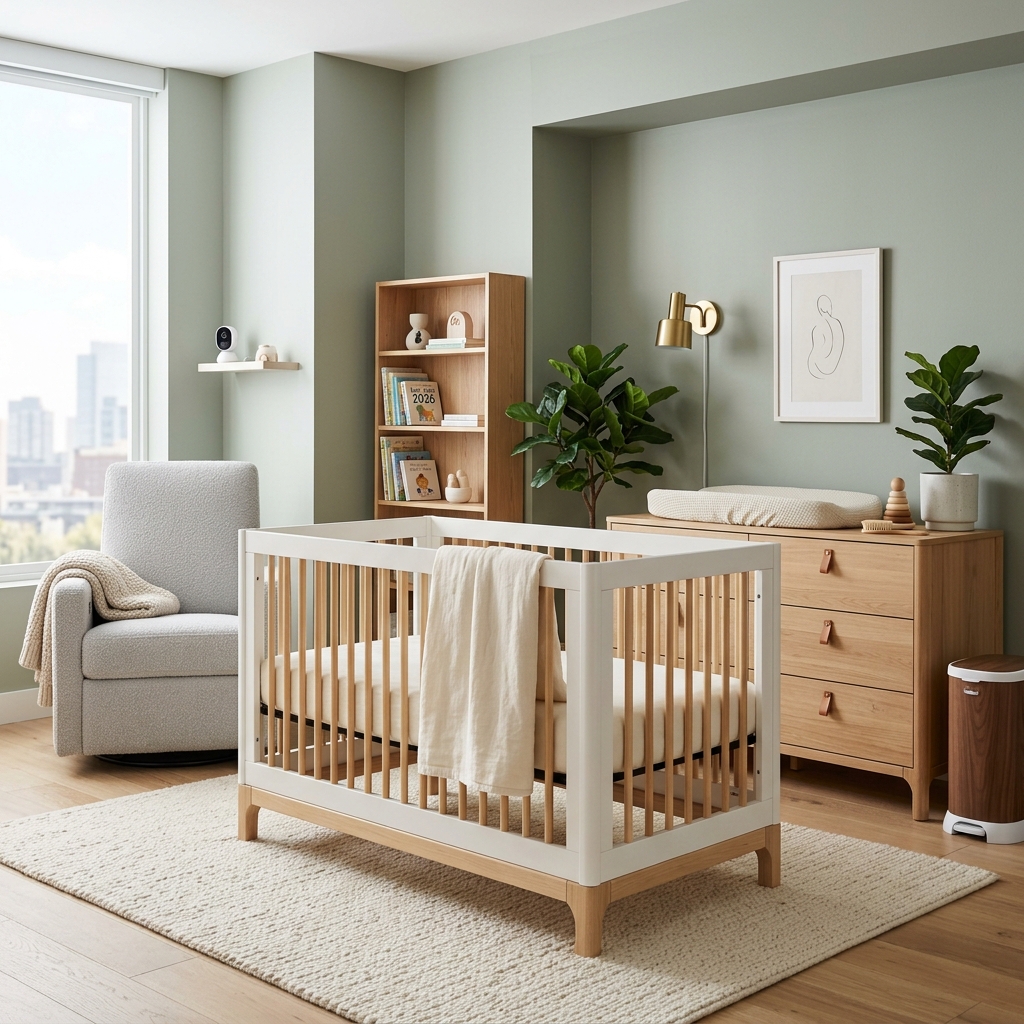
Preparing for a new baby is an incredibly exciting time, and creating a nurturing nursery is a key part of that preparation. A well-planned nursery isn’t just about aesthetics; it’s about functionality, safety, and creating a comfortable space for both you and your little one. This guide will walk you through everything you need to know when choosing nursery furniture in 2026, covering safety standards, essential pieces, budgeting, and current trends to help you build the perfect space.
Safety First: Nursery Furniture Standards & Regulations (2026)
Safety is paramount when it comes to nursery furniture. In 2026, the primary safety standards in the UK remain based on European norms, specifically BS EN 716 (for cots) and BS EN 12221 (for changing units). These standards cover aspects like structural integrity, paint finishes (non-toxic, lead-free), slat spacing (no more than 60mm to prevent baby’s head getting trapped), and overall stability to prevent tipping.
- Paint Finishes: Ensure all furniture has a non-toxic, water-based paint finish. Look for certifications confirming low VOC (Volatile Organic Compounds) emissions.
- Slat Spacing: Cots must have slats no more than 60mm apart.
- Stability: All furniture should be stable and securely assembled. Wall-mounting changing units is *strongly* recommended.
- Mattress Fit: The mattress should fit snugly in the cot, with no gaps larger than a couple of fingers width around the edges.
Keep an eye on the Gov.uk Product Safety Alerts website for potential recalls. Manufacturers sometimes issue recalls due to safety concerns, and it’s crucial to be informed.
The Essential Pieces: A Breakdown
Here’s a breakdown of the core furniture pieces you’ll need for your nursery:
- Cot: The primary sleeping space for your baby.
- Changing Table: A dedicated space for nappy changes, offering convenience and hygiene.
- Wardrobe/Dresser: Essential for storing clothes, nappies, and other baby essentials.
- Rocking Chair/Glider: Provides a comfortable spot for feeding, soothing, and bonding with your baby.
Choosing the Right Cot: Types & Considerations
Selecting the right cot is a significant decision. Here’s a look at the different types available:
- Traditional Cots: Fixed-side cots are a classic choice, offering stability and simplicity.
- Convertible Cots (Cot Beds): These cots transform into toddler beds, extending their lifespan and offering good value.
- Travel Cots: Portable and convenient for visiting family or going on holidays.
Mattress Selection: Invest in a firm, breathable mattress specifically designed for cots. It’s essential for safe sleep.
Cot Bed vs. Fixed-Side Cot: Cot beds are more economical long-term but may not be as sturdy as fixed-side cots. Consider your budget and how long you plan to use the cot.
Cot Comparison (2026)
| Cot Type | Price Range (GBP) | Pros | Cons |
|---|---|---|---|
| Traditional Cot | £150 – £300 | Stable, Secure, Simple | Limited lifespan |
| Convertible Cot Bed | £250 – £450 | Longer lifespan, Cost-effective | May be less sturdy, potentially more assembly |
| Travel Cot | £80 – £180 | Portable, Convenient | Less comfortable for extended use |
Changing Tables: Functionality & Storage
A changing table makes nappy changes much easier and more hygienic. Consider these styles:
- Standalone Changing Table: A dedicated unit with shelves or drawers for storage.
- Top-Changer: A changing unit that sits on top of a dresser, maximising space.
- Dresser-Top Changer: A combination of dresser and changing unit.
Storage Needs: Prioritise storage for nappies, wipes, creams, and clean clothes. Consider baskets or dividers to keep things organised.
Safety Features: Look for changing tables with raised sides to prevent your baby from rolling off. Always secure a top-changer to the dresser or wall.
Storage Solutions: Wardrobes & Dressers
Adequate storage is vital for keeping the nursery organised. Wardrobes and dressers come in various sizes and configurations.
- Size: Choose a size appropriate for the nursery space.
- Internal Layout: Consider the number of shelves, drawers, and hanging rails.
- Integrated Changing Table: A convenient option for smaller spaces.
- Drawer Safety: Look for dressers with anti-tip restraints and soft-closing drawers to prevent accidents.
Comfort & Convenience: Rocking Chairs & Gliders
A rocking chair or glider provides a comfortable spot for feeding, soothing, and bonding with your baby.
- Reclining: Reclining options offer added comfort during long feeding sessions.
- Swivelling: Swivelling chairs allow you to easily reach for items without straining.
- Cushioning: Prioritise comfortable cushioning for extended use.
- Material Choices: Consider fabrics that are easy to clean and durable.
Space-Saving Nursery Furniture Ideas
If you have a smaller nursery, here are some space-saving tips:
- Multi-functional Furniture: Choose a cot bed that converts into a toddler bed.
- Vertical Storage: Utilise shelves and tall storage units to maximise vertical space.
- Wall-Mounted Shelves: Free up floor space with wall-mounted shelves.
- Ikea KALLAX Shelf Unit: (priced around £85 in 2026) is a versatile option for storage and can be customised with baskets and dividers.
Budgeting for Nursery Furniture in 2026
Here’s a rough breakdown of nursery furniture costs (as of 2026):
- Low Range: £500 – £800 (second-hand furniture, basic essentials)
- Mid-Range: £800 – £1500 (mix of new and second-hand, good quality essentials)
- High Range: £1500+ (all new, designer furniture, premium features)
Tips for Saving Money:
- Buy Second-Hand: Check online marketplaces and local baby groups for used furniture.
- Look for Sales: Take advantage of seasonal sales and discounts.
- Consider Package Deals: Some retailers offer package deals that can save you money.
Nursery Furniture Trends for 2026
In 2026, nursery furniture trends lean towards:
- Neutral Colour Palettes: Greys, whites, and earthy tones are popular choices, creating a calming atmosphere.
- Natural Materials: Wood and rattan are favoured for their warmth and sustainability.
- Eco-Friendly Options: Demand for furniture made from sustainable materials is increasing.
- Minimalist Designs: Clean lines and simple shapes are on-trend.
Where to Buy Nursery Furniture in the UK
| Retailer | Pros | Cons |
|---|---|---|
| John Lewis & Partners | High quality, Stylish designs, Excellent customer service | More expensive |
| Mamas & Papas | Wide range of nursery furniture, Good quality, Package deals | Can be pricey |
| Ikea | Affordable, Modern designs, Versatile storage solutions | Assembly required, May lack premium features |
| Silver Cross | Luxury furniture, Classic designs, High quality materials | Very expensive |
Conclusion: Creating a Safe & Stylish Space
Choosing nursery furniture is an exciting journey. Remember to prioritise safety, functionality, and your personal style. By carefully considering the essential pieces, safety standards, and your budget, you can create a safe, comfortable, and stylish space for your little one to grow and thrive. Enjoy this special time of preparation – it’s the first step in welcoming your new arrival!
FAQ
Q: Is it safe to buy second-hand nursery furniture?
Yes, but be cautious. Ensure the furniture meets current safety standards (BS EN standards) and is in good condition. Check for any damage or missing parts. Avoid items with outdated designs that may not meet current safety requirements.
Q: When should I start buying nursery furniture?
Ideally, start shopping around 3-4 months before your due date. This gives you plenty of time to research, compare prices, and ensure everything is delivered and assembled before the baby arrives.
Q: How important is a good mattress for the cot?
Extremely important! A firm, breathable mattress designed specifically for cots is essential for safe sleep. It should fit snugly in the cot with no gaps.
Q: What’s the best way to save money on nursery furniture?
Consider buying second-hand, looking for sales, and comparing prices between retailers. Package deals can also offer significant savings.
Q: Do I need to wall-mount the changing table?
Yes, absolutely. Wall-mounting is *strongly* recommended to prevent the changing table from tipping over, ensuring your baby’s safety.