
Table of Contents
As an Amazon Associate, we earn from qualifying purchases. This means we may receive a small commission at no extra cost to you when you buy through links on this page.
Introduction: Is Your Child Ready for Potty Training?
Potty training is a significant milestone for both child and parent. It’s tempting to compare your little one to others, but remember that every child develops at their own pace. Age isn’t the defining factor; it’s about readiness. Many parents start thinking about potty training between 18 months and 3 years, but there’s a wide range of normal. In 2026, with increasing awareness of child development, focusing on true readiness is more important than ever.
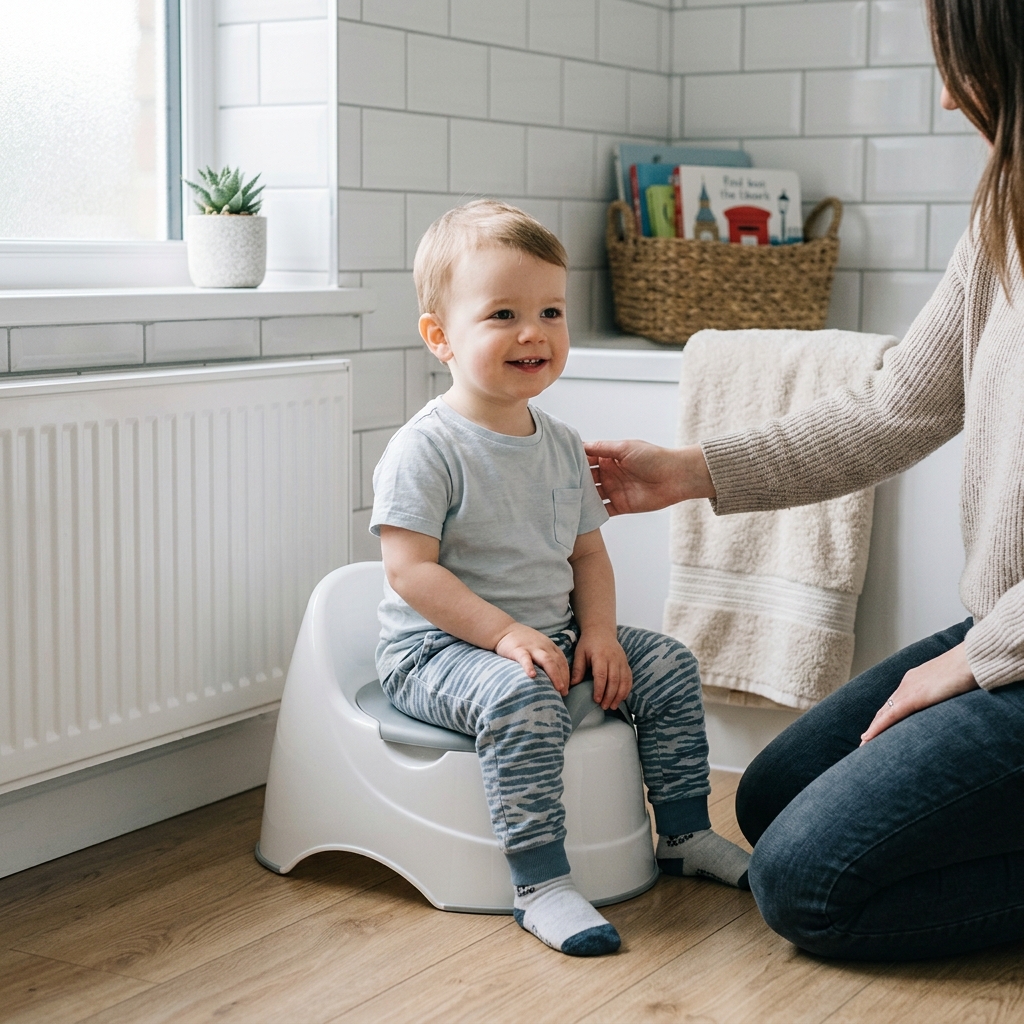
Readiness Signs
- Physical: Can your child stay dry for at least two hours at a time? Can they pull their trousers up and down? Do they show awareness of needing to go (e.g., squatting, grunting)?
- Cognitive: Can they understand simple instructions? Do they understand the concept of ‘wet’ and ‘dry’? Can they communicate when they need to go, even if it’s non-verbally?
- Emotional: Are they showing an interest in the toilet or wearing ‘big kid’ underwear? Are they willing to cooperate? A reluctance or resistance to even *talking* about it is a strong indicator they aren’t ready.
Addressing parental anxieties is key. It’s okay to feel apprehensive about the mess, the regressions, and the potential stress. Setting realistic expectations – it won’t happen overnight! – will help. In the UK, there’s a growing movement towards a more relaxed, child-led approach, recognising that pressure can hinder progress. Cultural differences exist too; some families traditionally start earlier than others, but focusing on your child’s individual needs is paramount.
Choosing the Right Potty or Toilet Seat Reducer
The market is flooded with options! Deciding between a standalone potty, a toilet seat reducer, or a 2-in-1 system depends on your child’s personality and your bathroom setup.
Comparison Table
| Type | Pros | Cons | Approx. Price (2026) |
|---|---|---|---|
| Standalone Potty | Portable, less intimidating for some children, easy to clean. | Requires separate emptying and cleaning, child needs to transition to the toilet later. | £24.99 (Tommee Tippee Closer to Nature Potty) |
| Toilet Seat Reducer | Uses the familiar toilet, no separate emptying, promotes transition to the toilet. | Can be scary for some children, requires a step stool for access. | £29.99 – £45.99 (depending on features) |
| 2-in-1 Potty/Seat Reducer | Versatile, combines the benefits of both, saves space. | Can be less stable than standalone potties, may require more cleaning. | £39.99 (i-Potty with Step Stool) |
UK Safety Standards: Ensure any potty or seat reducer meets British Safety Standards (BS EN 14765). Look for products with a stable base and smooth edges to prevent accidents.
Potty Training Methods: A UK Parent’s Guide
Several approaches can work. The best method is the one that suits your child and family dynamics.
Popular Methods
- Child-Oriented (Waiting for Readiness): This involves observing your child for readiness signs and letting them lead the process. It’s a gentle approach that can minimize stress, but it can take longer.
- 3-Day Method: This intensive approach involves dedicating three days to focused potty training, removing nappies and encouraging frequent potty visits. It requires significant parental commitment and is best suited for children showing strong readiness signs.
- Gradual Approach: This involves slowly introducing potty time into the routine, starting with sitting on the potty fully clothed, then progressing to sitting without a nappy for short periods.
UK Family Context
For UK households, especially those in terraced housing where bathroom access might be limited, the gradual approach is often favoured. The 3-day method can be challenging if the bathroom isn’t easily accessible from the main living areas. Consider the practicalities of your home when choosing a method. Also, the UK climate – often damp and chilly! – means keeping your child warm during potty breaks is important.
Creating a Potty Training Routine
Consistency is crucial. A predictable routine helps your child understand what’s expected.
Establishing a Schedule
- Potty Time After Waking Up: The first thing in the morning is a good time to try.
- After Meals: Digestion often stimulates the need to go.
- Before Bedtime: Emptying the bladder before sleep can help prevent nighttime accidents.
- Regular Intervals: Offer the potty every 2-3 hours, even if your child doesn’t ask.
Positive Reinforcement
Praise, stickers, and small, non-food rewards can motivate your child. Avoid punishment for accidents; focus on celebrating successes.
Dealing with Accidents and Regressions
Accidents are inevitable. Clean them up calmly and without scolding. Regressions (temporary setbacks) are also common, especially during stressful periods (e.g., starting nursery, a new sibling). Be patient and supportive.
Essential Gear for Potty Training Success (UK 2026)
Having the right tools can make a big difference.
Product List & Pricing
- Training Pants: Pampers Training Pants (Pack of 40) – £12.50
- Waterproof Mattress Protector: Dreambaby Waterproof Mattress Protector – £15.99
- Travel Potty: Skip Hop Zoo Travel Potty – £29.99
- Step Stool: Munchkin STEP Stool – £19.99
- Potty Training Books: Potty Training Books for Toddlers (various titles) – £6.99 – £9.99
- Eco-Friendly Training Pants: Bio-D Biodegradable Training Pants (Pack of 10) – £18.00
Eco-Friendly Options: Increasingly, UK parents are opting for reusable training pants and biodegradable options like Bio-D, reflecting a growing commitment to sustainability.
Potty Training on the Go: UK Travel Tips
Maintaining progress while travelling requires planning.
Packing a Potty Training Kit
- Portable potty
- Training pants
- Wet wipes
- Change of clothes
- Plastic bags for soiled clothes
- Waterproof seat cover for public toilets
UK Travel Infrastructure
Public toilets in the UK vary in cleanliness and accessibility. Family-friendly facilities are becoming more common, particularly in shopping centres and larger train stations, but it’s always wise to be prepared. For car journeys, plan frequent stops.
Troubleshooting Common Potty Training Problems
Some challenges are common. Knowing how to address them is key.
- Fear of the Potty: Make the potty inviting with stickers or books. Let your child decorate it. Never force them to sit on it.
- Constipation: Ensure your child is drinking plenty of fluids and eating a fibre-rich diet. Consult your GP if constipation persists.
- Withholding: This can be a sign of anxiety or control issues. Address the underlying cause and avoid pressure.
- Nighttime Wetting: This is very common and often resolves with time. Limit fluids before bedtime and ensure your child empties their bladder before sleep.
When to Seek Professional Advice: If you’re concerned about your child’s progress or if problems persist, consult your GP or health visitor.
Celebrating Success & Moving Forward
Acknowledge and celebrate milestones, big or small.
Transitioning to Underwear
Once your child is consistently dry, transition to underwear. Make it exciting by letting them choose their own designs.
Maintaining Consistency
Continue to reinforce positive habits and address any regressions with patience.
Resources & Further Support (UK)
- NHS: https://www.nhs.uk/conditions/potty-training/
- ERIC – The Bowel & Bladder Charity: https://www.eric.org.uk/
- Local Support Groups: Search online for potty training support groups in your area.
- Online Forums: Mumsnet and Netmums offer valuable forums for sharing experiences and seeking advice.